Jakarta
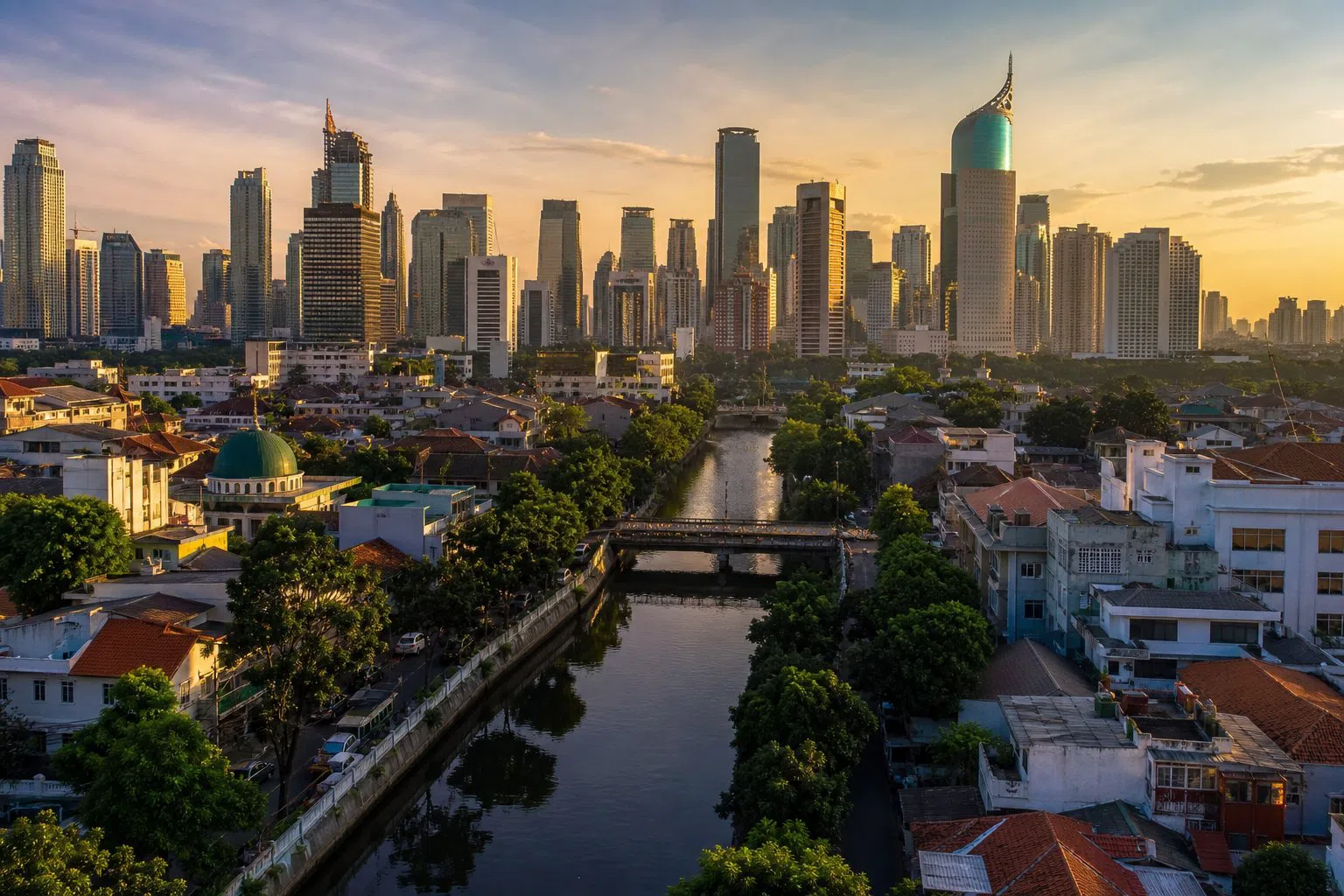
Jakarta does not ease you in; it engulfs you.
Guests & rooms
The Jakarta guide
An insider’s read on Jakarta
JJakarta does not ease you in; it engulfs you.
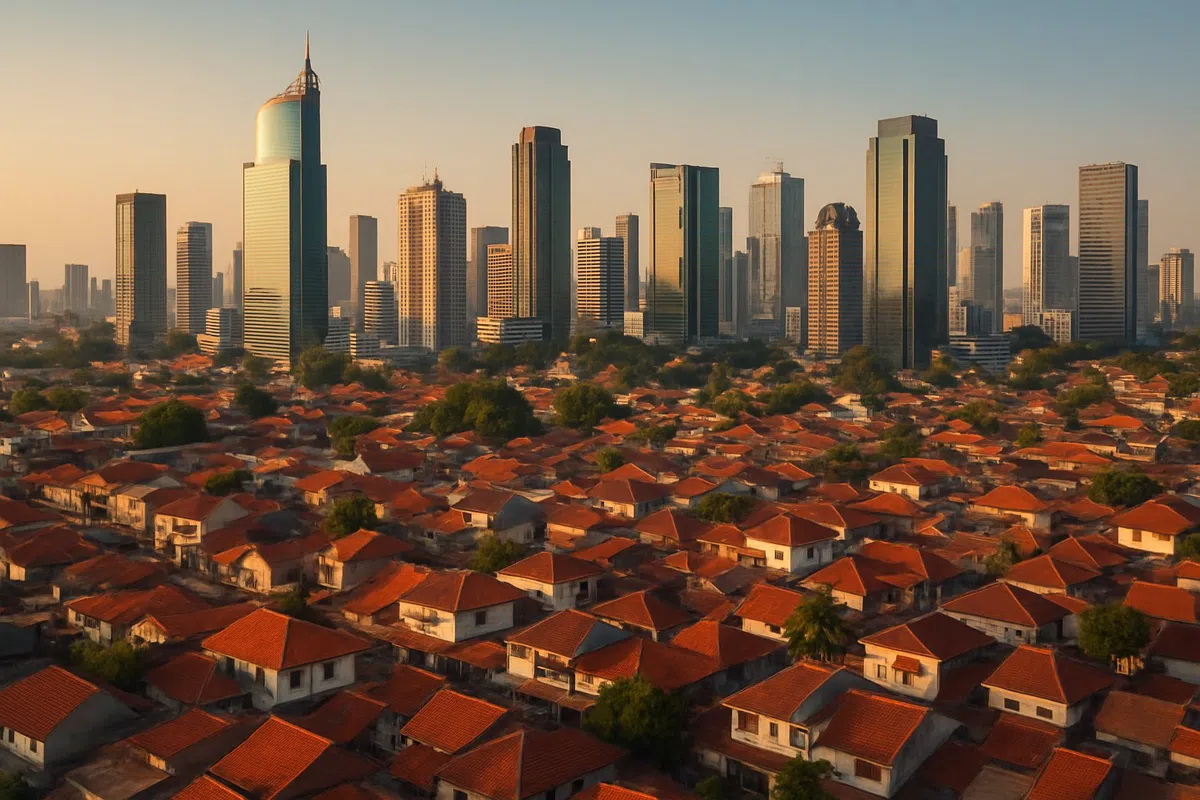
Formerly the Dutch colonial capital of Batavia, and before that the trading port of Sunda Kelapa, Jakarta is a historical palimpsest. The city's identity is defined by rapid, often chaotic post-independence urbanization that drew millions from across the Indonesian archipelago. This migration created a complex cultural melting pot where Betawi, Javanese, Chinese, and Sundanese traditions collide. The local character is defined by resilience and a sharp, self-deprecating sense of humor, essential for navigating the daily logistical hurdles of life in the capital.
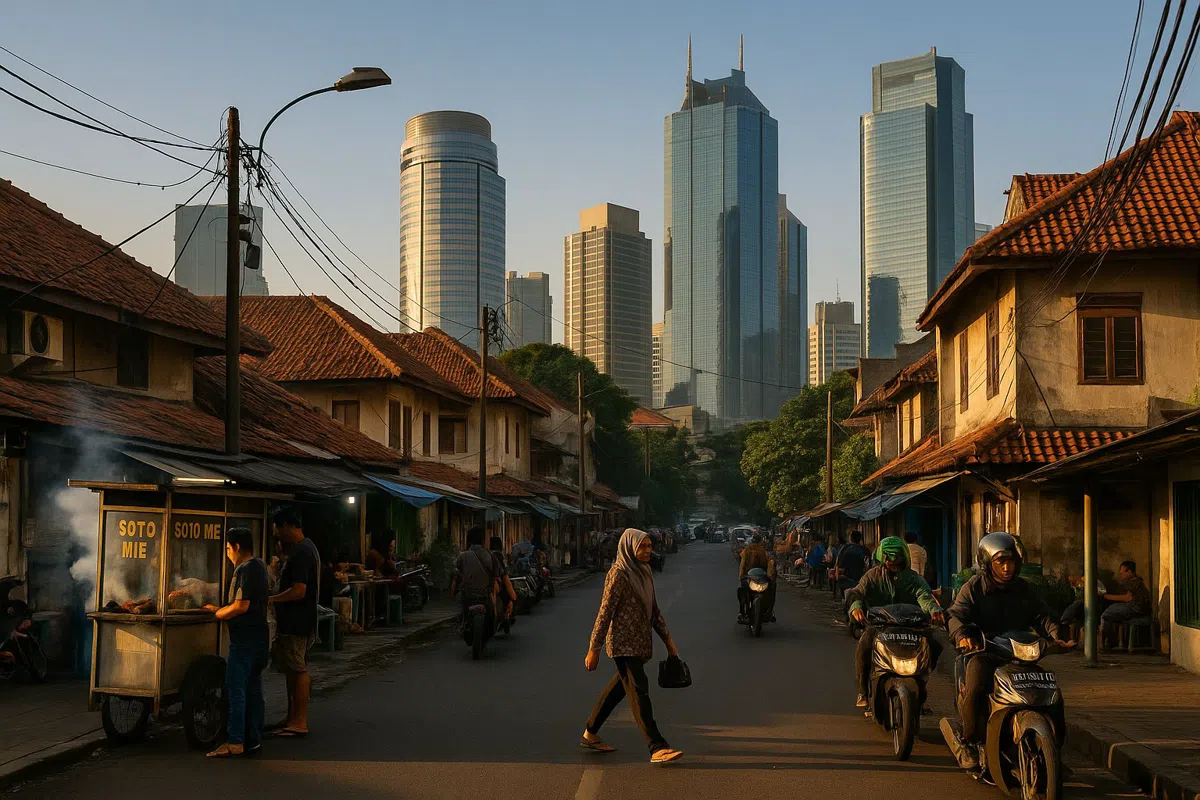
PLATE IJakarta, Indonesia
Guides & ideas
The Jakarta reading list
Hand-written guides from our editors — itineraries, the best of after dark, where to eat, and what’s genuinely worth your time.
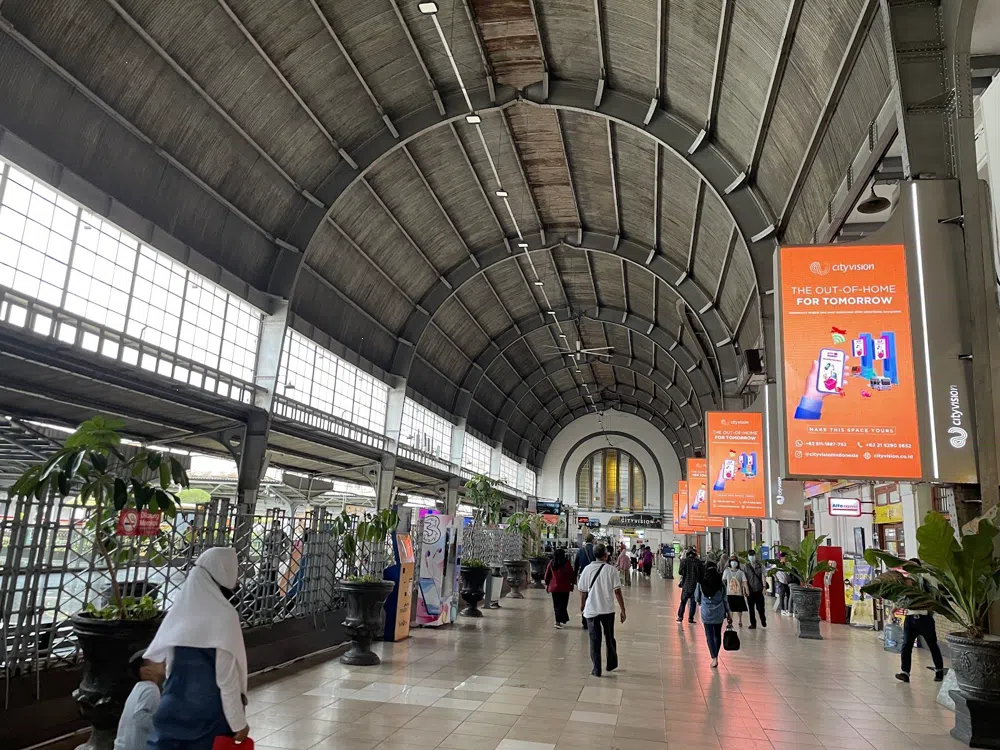
What Jakarta's Commuter Line Shows You Between Beos and Bogor
One Red Line ticket, four centuries of Jakarta: from a Dutch trading company's terminus to a botanical garden 60km south, for less than the price of a coffee.
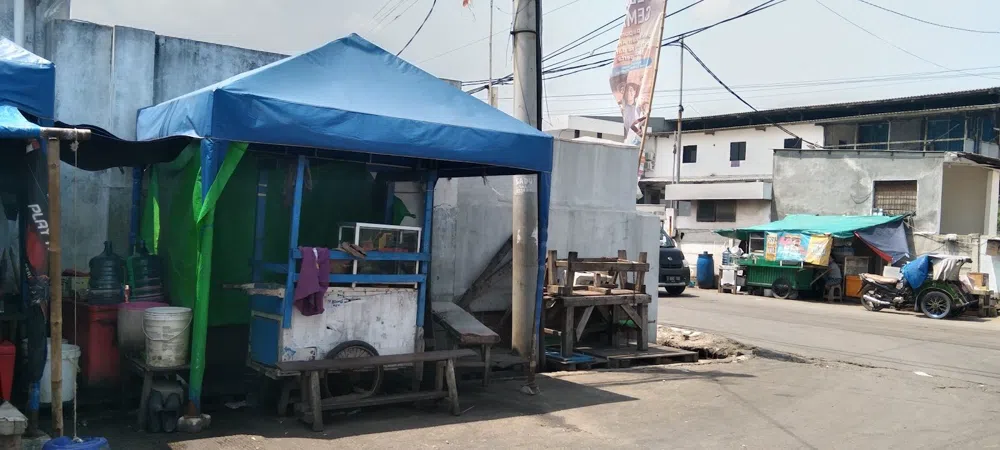
Where Jakarta's Fish Comes Ashore Before Sunrise
Before the rest of Jakarta wakes up, its north coast harbors are already running on fish, ice and cash. Here's where to see it, who it suits, and what it actually costs in 2026.

Jakarta's Food Hall Crawl: Mall to Mall in 48 Hours
A two-day route through ten of Jakarta's upscale mall food halls, from the grocerant format's birthplace at Plaza Indonesia to the residential quiet of Pondok Indah Mall — with honest notes on prices, crowds, and which stops actually suit a group.

The Thousand Islands: Jakarta's Weekend Archipelago Where the Megacity Dissolves into Coral and Clear Water
An hour off the coast of one of the world's most crowded megacities, the Thousand Islands trade traffic and haze for coral reefs, turtle nurseries, and overwater bungalows — with a cash-only ferry queue worth planning around.

Setu Babakan: The Betawi Village Inside the Megacity That Jakarta Forgot to Demolish
On the southern edge of Jakarta, a 289-hectare lakeside village still performs Betawi weddings, cooks kerak telor over coconut coals, and teaches the martial art hidden inside the ritual — proof the capital's indigenous culture never actually left.
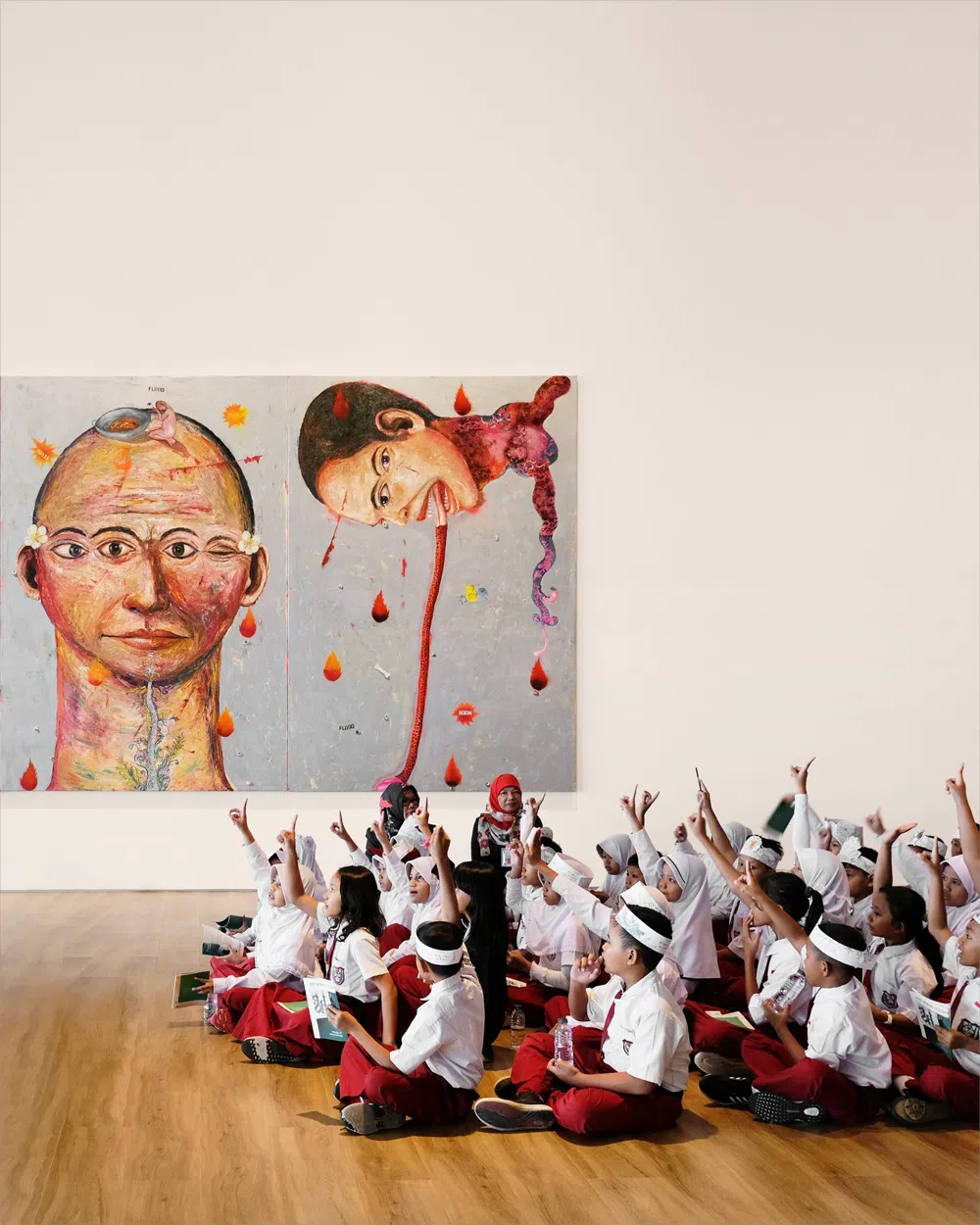
The Best Contemporary Art Scene in Jakarta
From the state museum that curated Documenta 15's home collective to a gallery inside a bank tower, Jakarta's contemporary art scene rewards a slow, cluster-by-cluster visit rather than a single afternoon.
Where to base yourself
The neighborhoods
01
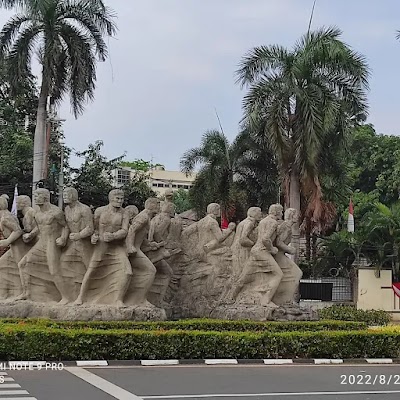
Menteng
For Travelers seeking a peaceful base with historical character, though it lacks the immediate access to high-energy nightlife found elsewhere.
A quiet, wealthy residential district characterized by wide, tree-lined streets, colonial-era villas, and manicured public parks.
Where to stay — Upscale heritage hotels and quiet boutique residences set in converted colonial properties.
02
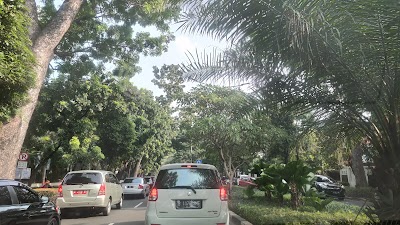
Senopati & SCBD
For Those who want to experience the city's modern culinary scene and high-end nightlife, though accommodation prices are premium.
The financial heart of the city by day, transforming into Jakarta's premier dining and nightlife hub by night, filled with sleek skyscrapers and trendy storefronts.
Where to stay — Luxury business hotels and high-rise serviced apartments.
03
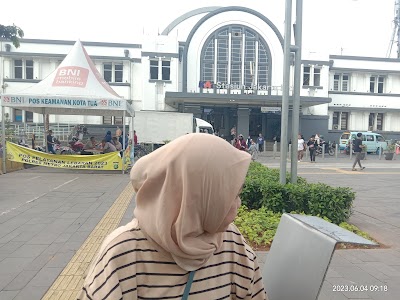
Kota Tua
For History enthusiasts and photographers, though the area can feel commercialized and crowded with day-trippers on weekends.
The historic core of old Dutch Batavia, centered around a stone-paved square surrounded by decaying colonial administrative buildings.
Where to stay — Budget-friendly hostels and basic mid-range hotels.
04
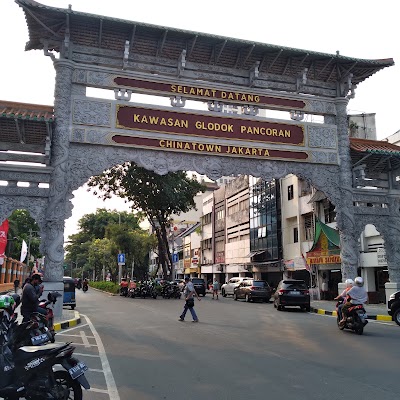
Glodok
For Street food lovers and cultural explorers who do not mind intense crowds, noise, and basic infrastructure.
Jakarta's historic Chinatown, a dense maze of narrow alleys, traditional markets, Chinese temples, and old-school food stalls.
Where to stay — Simple, no-frills business hotels and budget guesthouses.
05
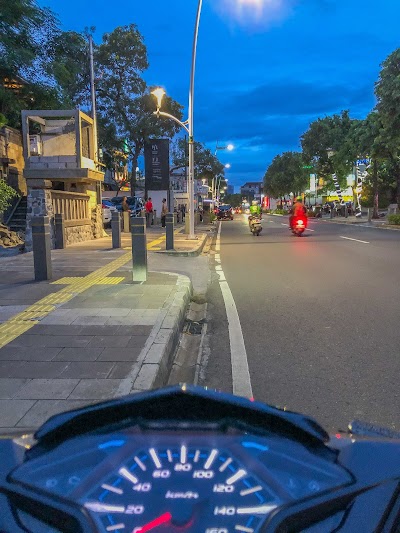
Kemang
For Long-term travelers and those seeking a bohemian vibe, though it suffers from severe traffic bottlenecks and occasional flooding.
A leafy, low-rise neighborhood popular with expatriates, filled with independent cafes, art galleries, and boutique shops.
Where to stay — Mid-range boutique hotels and private villa rentals.
06
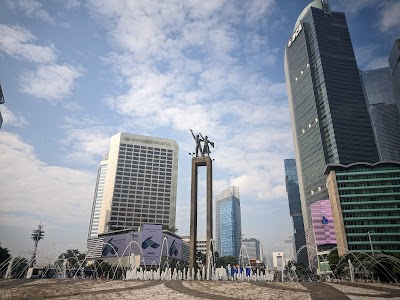
Thamrin & Bundaran HI
For First-time visitors who want central connectivity, direct MRT access, and proximity to major shopping complexes.
The central axis of modern Jakarta, dominated by massive roundabouts, towering corporate headquarters, and monumental statues.
Where to stay — Five-star international luxury hotels overlooking the central roundabout.
Book direct
Book a hotel in Jakarta
Loading live availability and real-time prices…
Where to eat
Dining
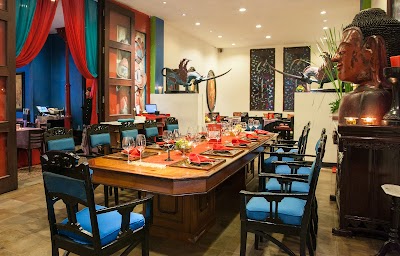
Lara Djonggrang
€€€Menteng
The restaurant is housed in a historic colonial building decorated with temple relics, offering an atmospheric journey through imperial Indonesian culinary history.
Signature — Sate Lilit (balinese minced seafood skewers grilled on lemongrass sticks)
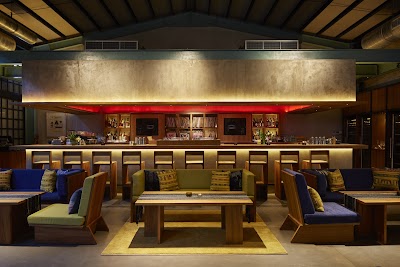
Kaum Jakarta
€€€Menteng
An upscale venue dedicated to reviving rare, indigenous cooking techniques and ingredients from remote Indonesian islands.
Signature — Garang Asem Keu'eung (spicy and sour beef soup)
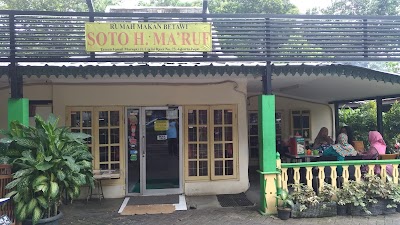
Soto Betawi H. Ma'ruf
€Cikini
A legendary institution serving authentic Betawi-style beef soup in a rich, spiced coconut milk broth since the 1940s.
Signature — Soto Betawi Campur (beef and offal soup)
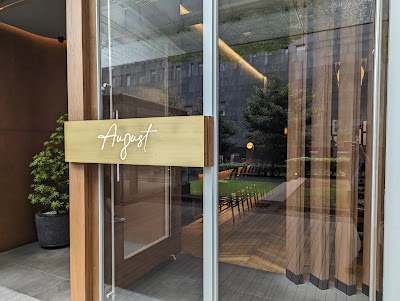
August
€€€€SCBD
A highly acclaimed, intimate dining room offering a sophisticated, modern tasting menu that subtly incorporates Indonesian flavors and memories.
Signature — The Chef's Tasting Menu
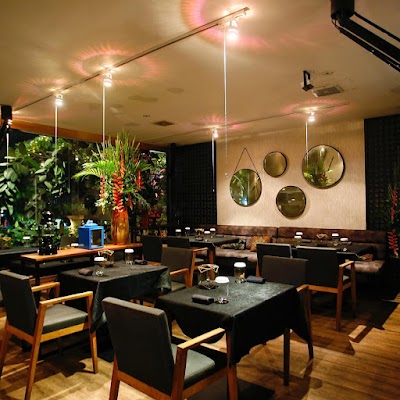
Namaaz Dining
€€€€Senopati
Indonesia's first molecular gastronomy restaurant, where traditional Indonesian dishes are playfully deconstructed and served as optical illusions.
Signature — Deconstructed Es Podeng (served in a smoking, theatrical presentation)
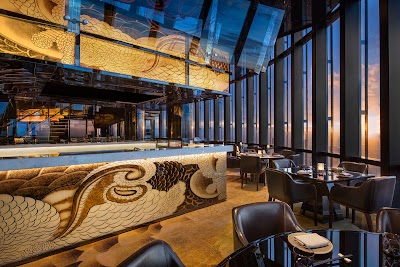
Henshin
€€€€Kuningan
Perched on the top floors of The Westin, this venue offers Nikkei (Peruvian-Japanese) cuisine paired with panoramic city views.
Signature — Ceviche Clasico
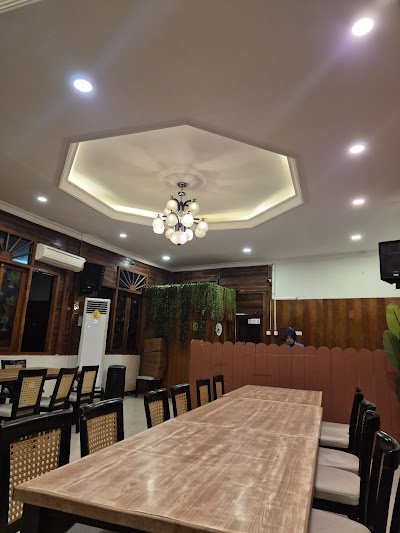
Bandar Djakarta
€€Ancol
A massive, bustling waterfront market-style restaurant where you select live seafood from tanks before it is prepared in your choice of local sauces.
Signature — Kepiting Saus Padang (mud crab in a spicy, savory Padang sauce)
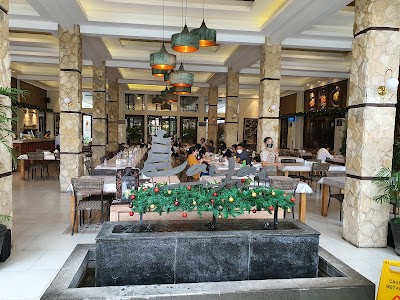
Layar Seafood
€€Meruya
A clean, spacious restaurant originating from Surabaya, known for its consistent quality and extensive selection of fresh fish and shellfish.
Signature — Ikan Bakar Jimbaran (grilled fish with Balinese spices)
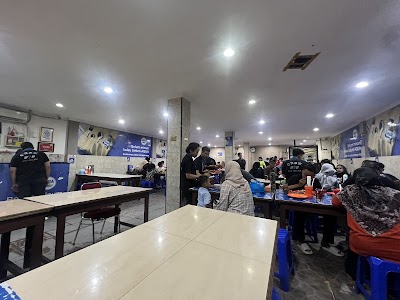
Wiro Sableng 212
€Kelapa Gading
A legendary, no-frills local favorite that is constantly packed, serving some of the best grilled seafood in North Jakarta.
Signature — Kerang Dara Rebus (boiled blood clams with chili-pineapple dipping sauce)
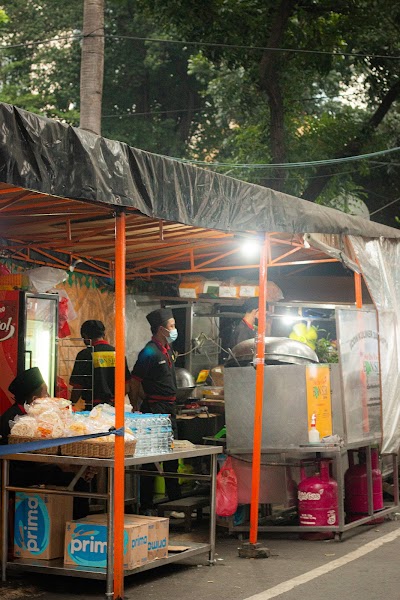
Nasi Goreng Kambing Kebon Sirih
€Menteng
Operating since 1958, this street-side giant cooks spiced mutton fried rice in massive, iron woks on the sidewalk.
Signature — Nasi Goreng Kambing (mutton fried rice)
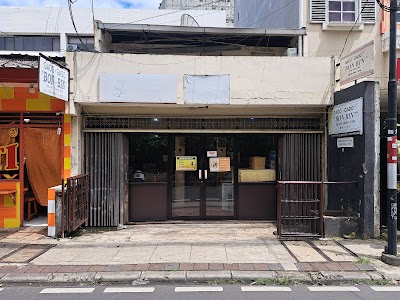
Gado-Gado Bon-Bin
€Cikini
A nostalgic, vintage diner serving blanched vegetables dressed in a smooth, roasted peanut sauce that has remained unchanged for decades.
Signature — Gado-Gado (vegetable salad with peanut dressing)
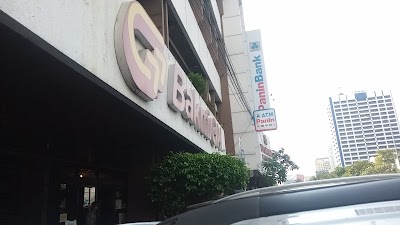
Bakmi GM
€Central Jakarta
A beloved local fast-food chain that started as a single noodle stall in 1959, famous for its thin, springy wheat noodles.
Signature — Bakmi Ayam Jamur (noodles with seasoned chicken and mushrooms)
After dark
Nightlife
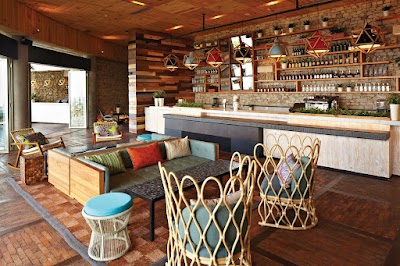
SKYE
Thamrin
Located on the 56th floor of the Menara BCA, this rooftop lounge offers an open-air terrace with a pool and sweeping views of the central skyline.
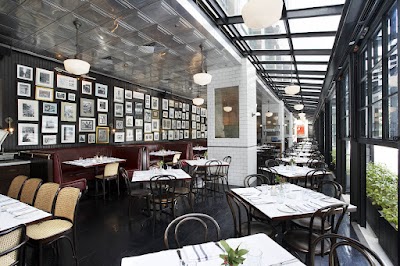
The Union
Senayan
A perennially popular bistro and bar known for its exceptional, award-winning cocktail program and lively social scene.
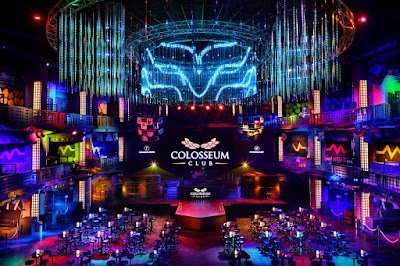
Colosseum
Kota
A colossal clubbing venue with a massive ceiling height, world-class light shows, and a focus on underground electronic music.
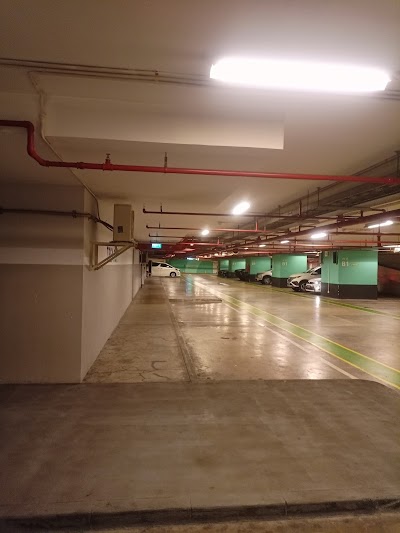
Bengkel Space
SCBD
A large warehouse-style event space that hosts major club nights, live concerts, and electronic music events in the heart of the financial district.
Art & history
Culture
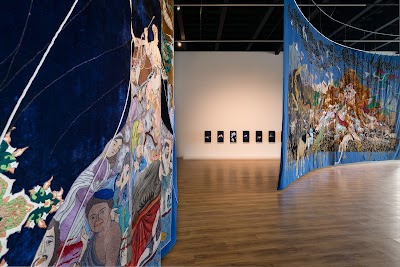
Museum MACAN
Kebon Jeruk
The Museum of Modern and Contemporary Art in Nusantara showcases a world-class collection of Indonesian and international modern art.
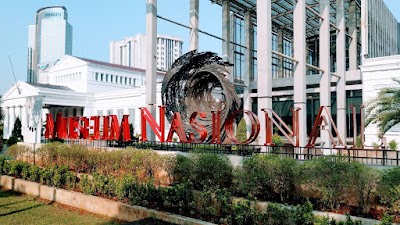
National Museum of Indonesia
Central Jakarta
Also known as Museum Gajah (Elephant Museum), it houses an extensive collection of archaeological relics, ancient statuary, and cultural artifacts from across the country.
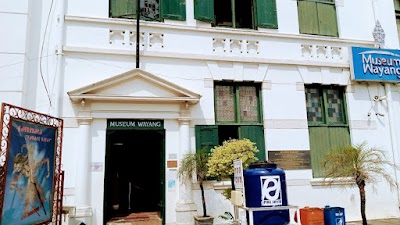
Museum Wayang
Kota Tua
Dedicated to the traditional Javanese art of shadow puppetry, showcasing thousands of puppets from Indonesia and across Asia.
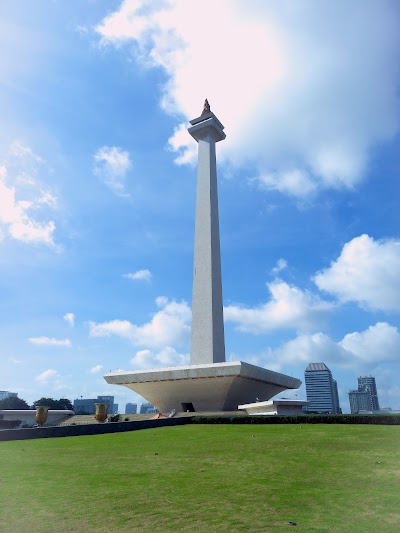
National Monument (Monas)
Central Jakarta
A towering 137-meter obelisk topped with a bronze flame coated in gold leaf, symbolizing the struggle for Indonesian independence.
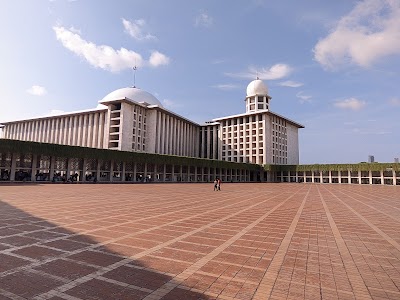
Istiqlal Mosque
Central Jakarta
The largest mosque in Southeast Asia, built to commemorate Indonesian independence, featuring a massive, minimalist dome and a vast courtyard.
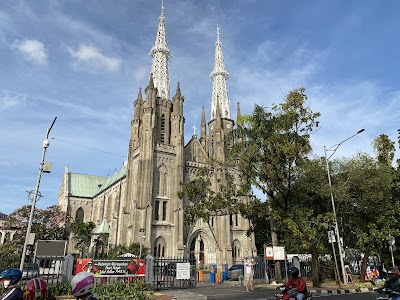
Jakarta Cathedral
Central Jakarta
A neo-Gothic Catholic cathedral built in 1901, standing directly opposite Istiqlal Mosque as a deliberate symbol of national religious harmony.
Book ahead
Top-rated experiences in Jakarta

Authentic Ubud Experience with French Speaking Guide
from $114

Volcano and Domas Crater of Hot Stony Bubble from Jakarta Lunch
from $143

Jakarta Private City Tour with Obama School visit
from $65

Purifications at Beji Griya Waterfalls
from $50

1 Day Motorcycle Tour To Citorek Banten West Of Java
from $184

Batik Heritage Introduction Class with Lunch & Souvenir
from $70

Watercolor & Wellness : A Healing Art Therapy Experience
from $28

Hire a Luxury Private Car in Bali with an English Speaking Driver
from $124
Prices from Viator; we may earn a commission when you book — at no extra cost to you. Tours are sold and operated by Viator, the merchant of record. Ratings are collected by Viator and Tripadvisor.
Timing
When to visit
Dry Season (May to September)
This is the most practical window for travel. Rain is infrequent, making outdoor exploration and navigating the streets slightly easier, though air pollution levels tend to peak during these months.
Wet Season (October to April)
Heavy monsoon downpours are common, often leading to localized flooding that paralyzes the road network. Temperatures remain high, and high humidity makes walking outdoors uncomfortable.
What it costs
Budgeting
Logistics
Getting around
From the airport
Soekarno-Hatta International Airport (CGK) is connected to the city center by the Railink airport train, which runs to Manggarai Station and avoids road traffic entirely. Alternatively, licensed taxi ranks for Blue Bird or the premium Silver Bird offer reliable, metered rides, though travel times vary wildly depending on the hour.
Public transit
The MRT Jakarta is a clean, modern, and highly efficient underground and elevated rail line running north-south from Bundaran HI to Lebak Bulus. For areas off the MRT line, the TransJakarta Bus Rapid Transit system operates in dedicated lanes, though buses can become extremely crowded during rush hours.
Passes & tickets
An electronic money card (such as e-Money, Flazz, or TapCash) is essential. These can be purchased and topped up at convenience stores for a nominal fee (under €5) and are used for the MRT, TransJakarta, and toll roads.
On foot
Walking in Jakarta is a challenge. Sidewalks are frequently broken, blocked by street vendors, or non-existent, and the heat and exhaust are intense. Pedestrians must exercise extreme caution when crossing streets.
Travel smart
Safety & etiquette
Local etiquette
- •Always use your right hand when shaking hands, paying, or handing items to someone, as the left hand is traditionally considered unclean.
- •Dress modestly when visiting religious sites or government buildings; shoulders and knees should be covered.
- •Avoid discussing sensitive political or religious topics with strangers, as these are deeply personal matters in Indonesia.
From the ground
Practical tips
1
Purchase a local tourist SIM card at the airport; having mobile data is essential for booking ride-hailing apps and navigating the city.
2
Always carry small cash notes (Rp 2,000 to Rp 10,000) for tipping parking attendants and paying street vendors.
3
Keep a light umbrella or rain poncho in your bag at all times, as tropical downpours can occur suddenly even outside the wet season.
4
Download the Gojek and Grab apps before arriving to easily book rides, order food, and make digital payments.
5
Look for the Blue Bird taxi queue at malls and airports to ensure you are getting a legitimate, metered ride.
Jakarta FAQs
Is Jakarta safe for solo female travelers?
Yes, it is generally safe, though you may receive unwanted attention or staring. Using registered ride-hailing services like Grab or Blue Bird taxis at night is highly recommended.
Can I drink the tap water in Jakarta?
No, tap water is not potable. Always drink bottled, filtered, or boiled water, and use bottled water for brushing your teeth.
How do I avoid the worst of the traffic?
Utilize the MRT rail system as much as possible, travel by motorcycle taxi (ojek) for short distances, and avoid road travel during peak morning and evening commute hours.