
The chaos and the catch at Muara Angke
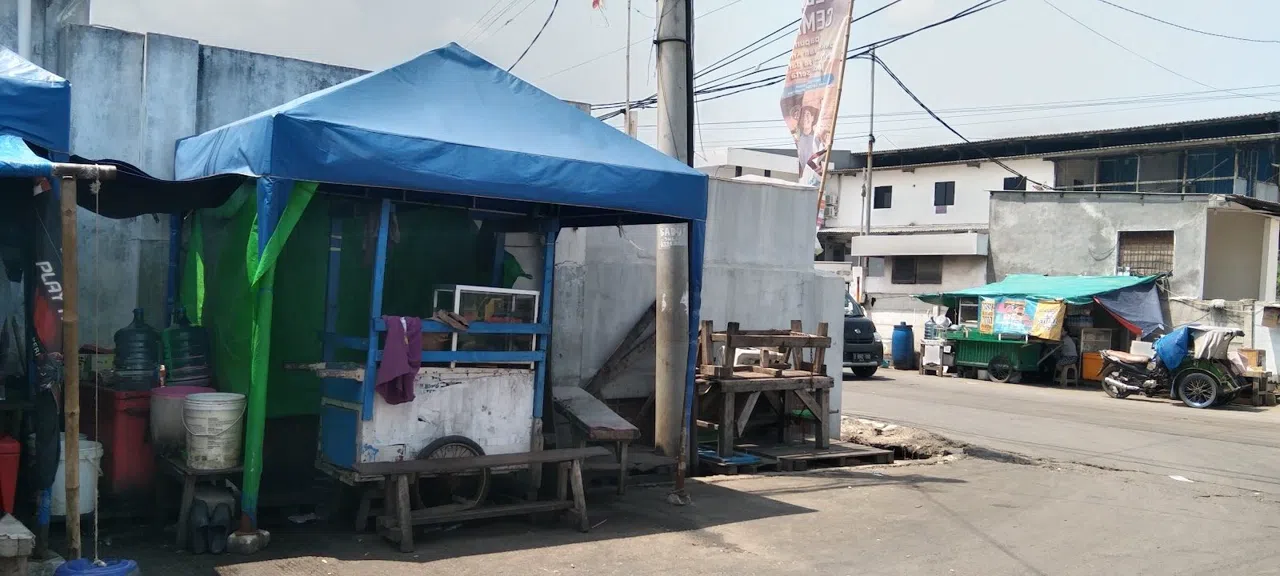
Tempat Pelelangan Ikan (TPI) Muara Angke, the fish auction harbor in Muara Angke on Jakarta's north coast, is where this piece has to start: Indonesia's largest fish auction and the loudest possible introduction to the trade. Boats start arriving from 2am or 3am, and by the time most visitors would call it dawn, the auction floor is already deep into its rhythm: buyers calling numbers over each other, forklifts hauling iced crates through the crowd, water and fish scale slicking every surface underfoot. There's no booking system and no entry fee. You simply walk in, and the harbor keeps running its own business around you, on its own schedule, regardless of who's watching. That's the deal here: visitors are observers, not obstacles. Go alone or as a pair and you'll barely register. Bring a group of more than four and you should be doing it with a local guide or fixer who can read the floor, translate what's happening, and keep you clear of a forklift or a hauled net. Wear shoes you don't mind ruining, and expect the smell to follow you for the rest of the morning. Entry costs nothing; a guided walk-through with someone explaining the auction calls and the fish typically runs US$25 to US$60 per person.
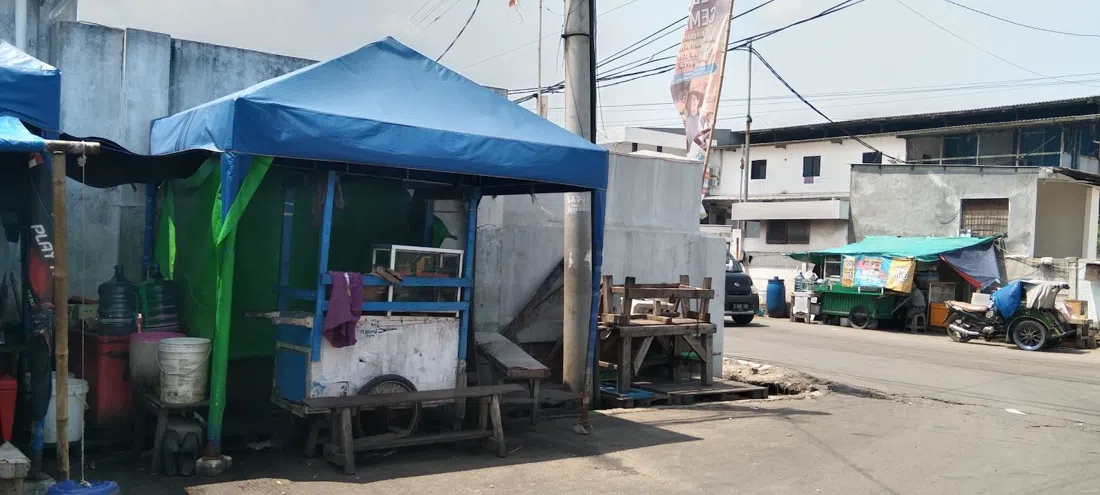
A short walk from the auction floor is the part of Muara Angke that matches the postcard idea of a floating market. Pasar Apung Muara Angke, also known as Muara Angke Floating Resto, is built out over the water itself and has been running since 2022: genuinely floating, not just named for it. This is less an auction than a market-diner: you pick fish, crab, prawns or squid off ice at market price, hand your choice to a stall to grill or fry to order, and eat at tables set directly over the water while the harbor's boats idle past. There's no reservation system and the seating is informal, but it handles groups comfortably, which makes it the natural stop after Angke's auction chaos rather than a place to visit on its own. Weekends are visibly the busiest: expect a wait for a grill slot around midday, less so at dawn. All-in, budget somewhere between Rp50,000 and Rp150,000 per person for fish plus the grilling fee, before drinks.
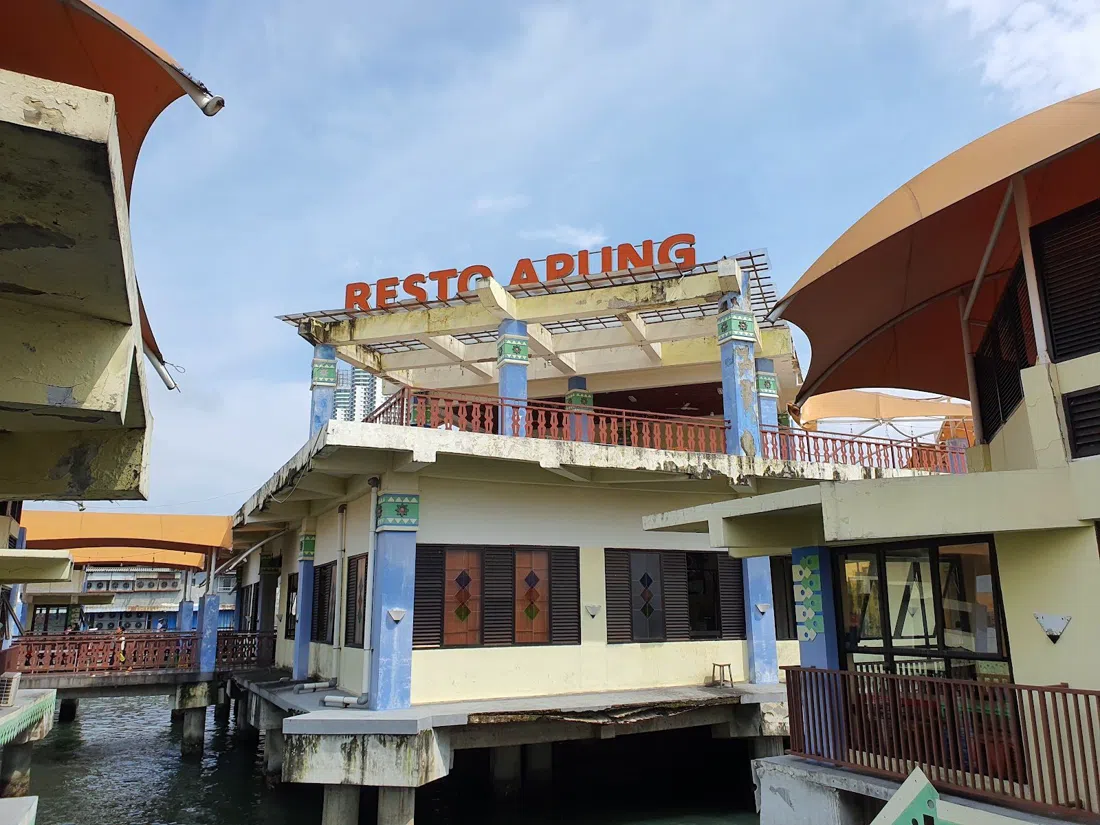
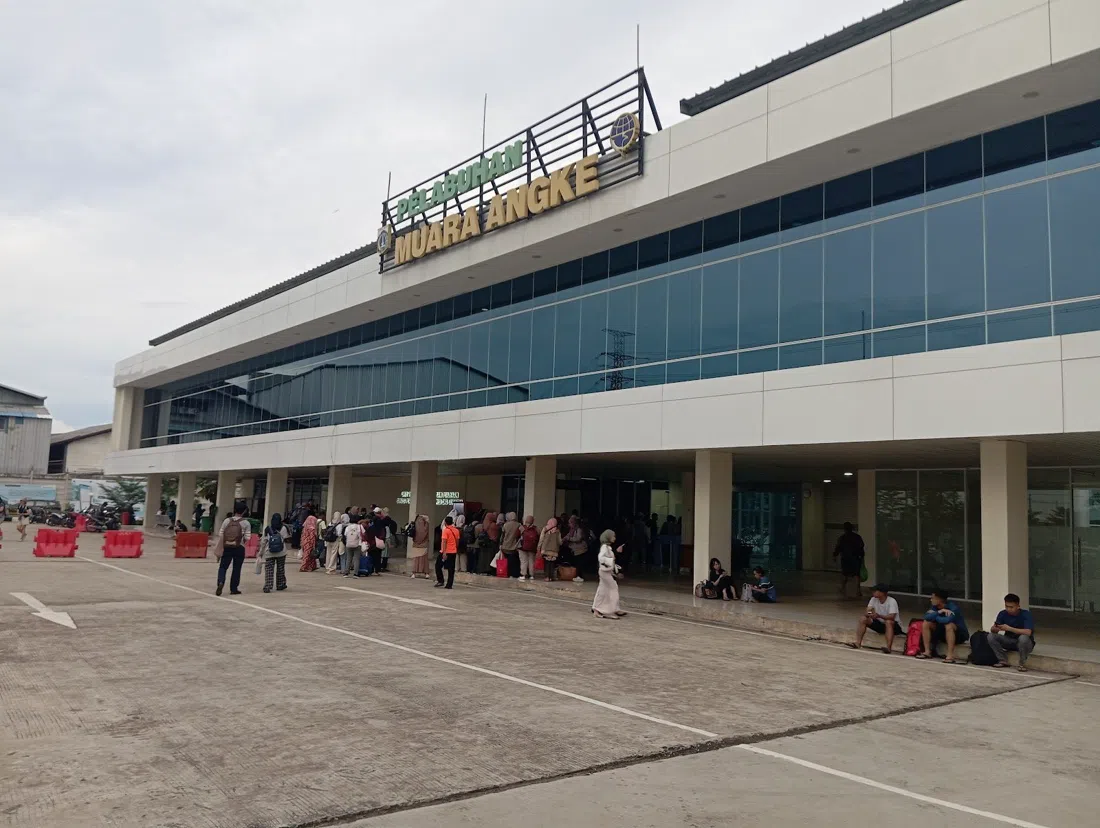
Immediately next door, still within Muara Angke, Kali Adem Harbor is a working fishing pier that doubles as a ferry point, and it earns its place here for the light as much as the boats: the early sun comes in low and gold off the water while fishing craft come and go around the pier legs. It's a public pier and small groups move through it easily enough, but it turns properly chaotic around the 7am ferry departure, so plan to be there either well before or well clear of that rush if you want room to look at anything. Walking the pier costs nothing; if you're continuing onward by ferry from here, budget roughly Rp45,000 per person.
Muara Baru feeds the whole city
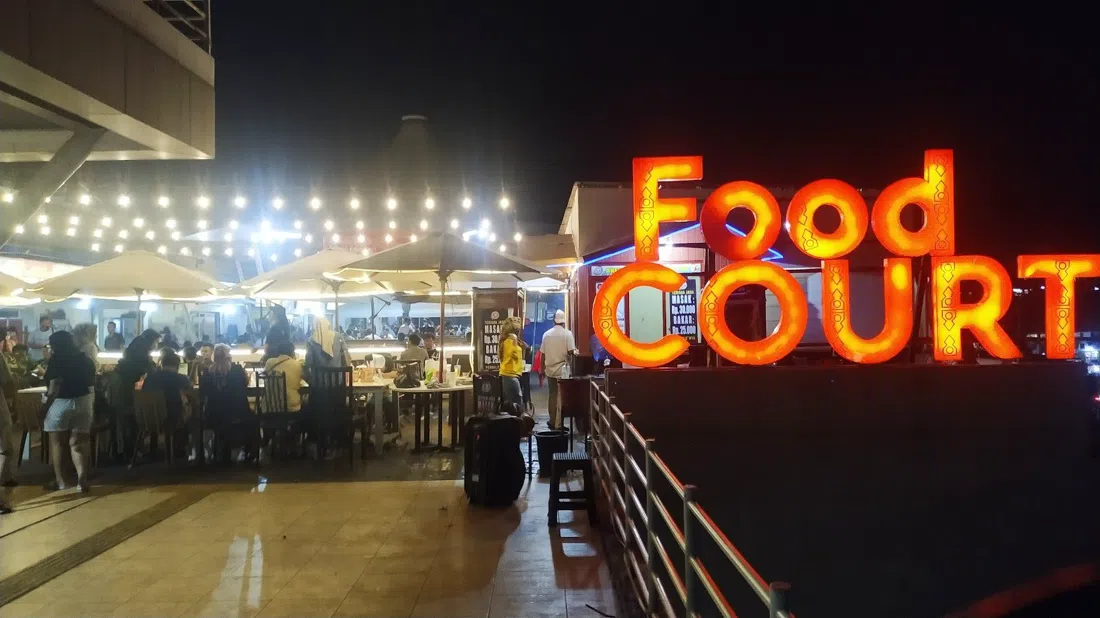
Where Angke is chaos on a human scale, Pasar Ikan Modern Muara Baru (the market floor of the PPS Nizam Zachman fishing port in Muara Baru) is chaos at industrial scale, and the contrast alone is worth the trip. This is the port that supplies Jakarta's yellowfin tuna, and the market floor reflects that ambition: an open, high-ceilinged trading floor rather than Angke's tangle of narrow lanes, with genuine room to move even on a busy morning. Entry is free, and groups are properly welcome here in a way they aren't everywhere on this list. This is the one harbor built to absorb a coach party without anyone getting in anyone's way. A second-floor food court seats larger parties for a straightforward seafood-plus-cooking-service meal, typically Rp70,000 to Rp200,000 per person depending on what you point at and how it's cooked. If Muara Angke shows the trade at its most frantic, Muara Baru shows the same trade at the scale that keeps a city of ten million fed.
Sunda Kelapa's sampans and the kampung behind it
Sunda Kelapa Harbor, Jakarta's historic working harbor in the old town near Kota, isn't a fish market itself: its cargo is timber and inter-island freight, carried on wooden Bugis schooners moored gunwale to gunwale. On its best mornings, though, it's still the most photogenic working harbor left in the city, and the throughline into the fishing quarter around it. Boatmen hire out short sampan rides on the spot, no arrangement needed beyond agreeing a price, and the boats suit groups of two to four well. Entry to the harbor runs roughly Rp5,000 to Rp10,000, and a sampan ride is negotiable, typically Rp50,000 to Rp100,000.
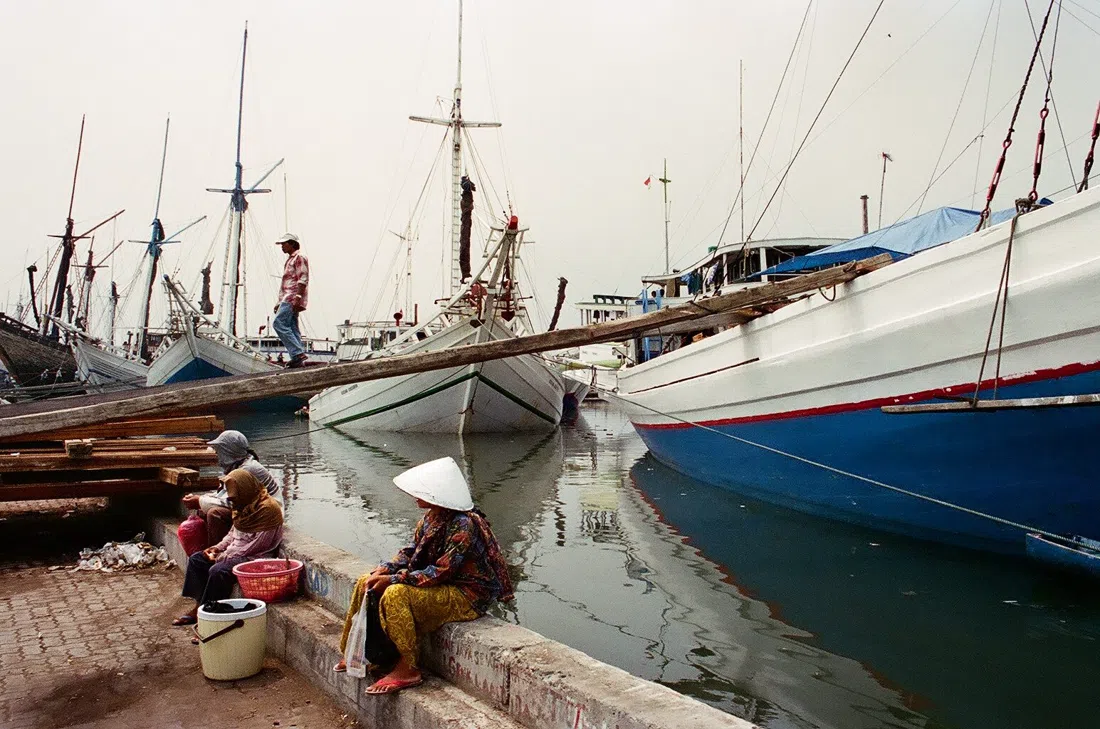
Walk a few minutes inland from the harbor and you're in Kampung Luar Batang, the old Pasar Ikan quarter, the district where the boat crews and fish traders who work Sunda Kelapa live, rather than a curated stop built for visitors. It's a lived-in kampung and should be treated as one: walkable, and small, respectful groups do fine, but this is somewhere to go with a local guide who knows the lanes and the etiquette rather than wandering in cold and pointing a camera at someone's doorstep. There's no entry fee; residents rent out boats informally, roughly Rp50,000 to Rp100,000.
Quieter dawns in Cilincing and Marunda
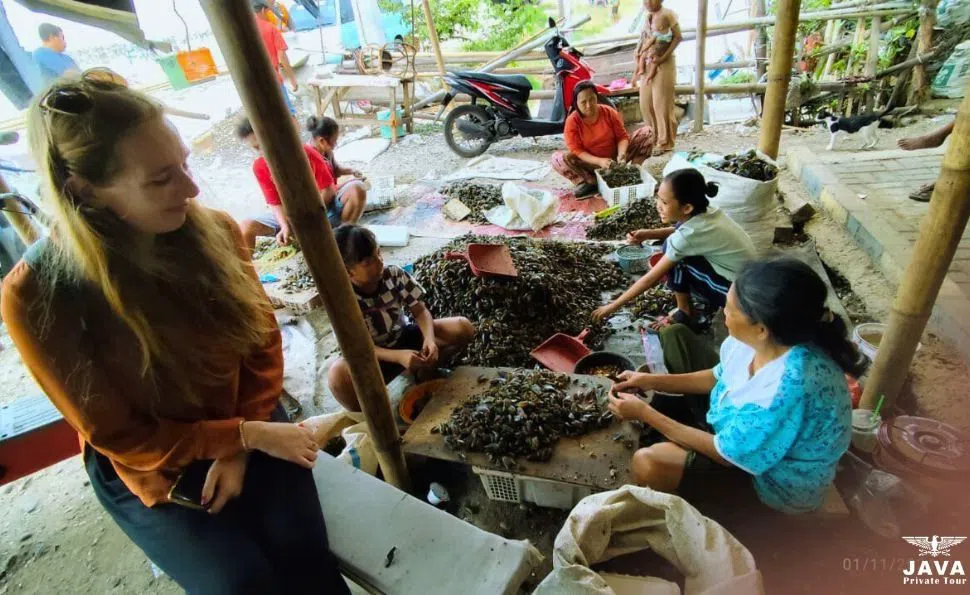
For readers who've already done Muara Angke, or who want the trade without any tour-friendly polish, Kalibaru fishing port in Cilincing is Jakarta's oldest fishing village and the least-covered ground in this piece: dawn trading in green mussels that essentially no guidebook mentions, on a rhythm that has nothing to do with visitors. There's no formal visitor access and no signage built for outsiders here; this only works well with a local fixer who has a real relationship with the village, not a tour company running a route through it. Walking through costs nothing, but the access is a privilege extended by the people who live there, not a right, and it should be treated that way.
Marunda fishing village, along with the adjoining heritage house Rumah Si Pitung, is a genuinely different register: a still-working fishing community that also carries Betawi folk history, since Si Pitung is the region's Robin Hood-style folk figure and the house is built around his story. The local fishermen's group runs eight boats for hire, built for small groups rather than crowds, which makes Marunda a good half-day change of pace from pure market chaos: you can go out on the water with people whose living depends on it, rather than just watch from a pier. Entry to the house is a token Rp5,000; boat hire is negotiable, typically Rp100,000 to Rp300,000 per boat.
Back on the auction side, if Muara Angke's crowds aren't for you, Tempat Pelelangan Ikan (TPI) Kamal Muara is the quieter alternative: a public working harbor with no booking system, considerably less discovered than Angke, though its paths are narrow enough that only small groups should attempt it comfortably. It's free to walk, and it doubles as a departure point if you're continuing on to the Thousand Islands afterward, which makes it a sensible dawn stop on the way out of the city rather than a dedicated trip in itself.
Hiring a guide who knows the water
For anyone planning this as a shoot, a piece of journalism, or simply a morning they don't want to get wrong, Java Private Tour's Muara Angke dawn fishermen tour is built for exactly this brief: a private or small-group outing with English-speaking guides who pair the auction with the fishing kampung behind it, rather than a drive-by stop on a bigger itinerary. It's customised on request for content and journalism teams specifically, which is unusual among the operators working this stretch of coast. Pricing is on request, typically US$40 to US$80 per person for a small group.
Jakarta Good Guide is the more conventional, licensed option: small English-language groups, guides who explain the market's context rather than just its geography, and a proper booking system rather than a walk-up arrangement. A 90 to 120 minute tour typically runs Rp300,000 to Rp500,000 per person. Book ahead; this isn't something to arrange the same morning you want to go.

Getting there, timing it, and what to bring
Boats start arriving from 2am to 3am, and the real auction chaos at TPI Muara Angke and TPI Kamal Muara is already well underway by first light, so arriving around 4am or 4:30am gets you the trade at its peak rather than its tail end. Sunda Kelapa and the floating market at Angke are gentler and reward arriving closer to sunrise itself, when the light is better anyway and the crowds at the auction floor have thinned.
All of these harbors sit along Jakarta's north coast, roughly 45 minutes to an hour from the central city by car or ride-hailing app in the pre-dawn quiet, considerably longer once the morning traffic builds, so an early start isn't just for the light. Ride-hailing apps cover Muara Angke, Muara Baru and Sunda Kelapa reliably. Kalibaru and Marunda are less well served by app-based transport and are easier with a driver arranged in advance, ideally the same fixer or guide taking you into the village.
Bring small denominations. None of these harbors, markets or boatmen run card machines: sampan hire, boat hire, a grilled fish lunch and a guide's fee are all settled in cash on the spot.
A no-frills morning (walking Muara Angke's auction, a grilled fish meal at the floating market, a sampan ride at Sunda Kelapa) comes in well under Rp300,000 per person. Add a licensed guide and you're closer to Rp500,000 to Rp800,000 for a half-day done properly. A private, English-language dawn tour built specifically for this route runs US$40 to US$80 per person.
If you're building a trip around a 4am start, base yourself somewhere that gets you to the north coast before the traffic does: start with Jakarta hotel search. Once the harbors have wound down for the morning, the Jakarta guide covers where to go next.