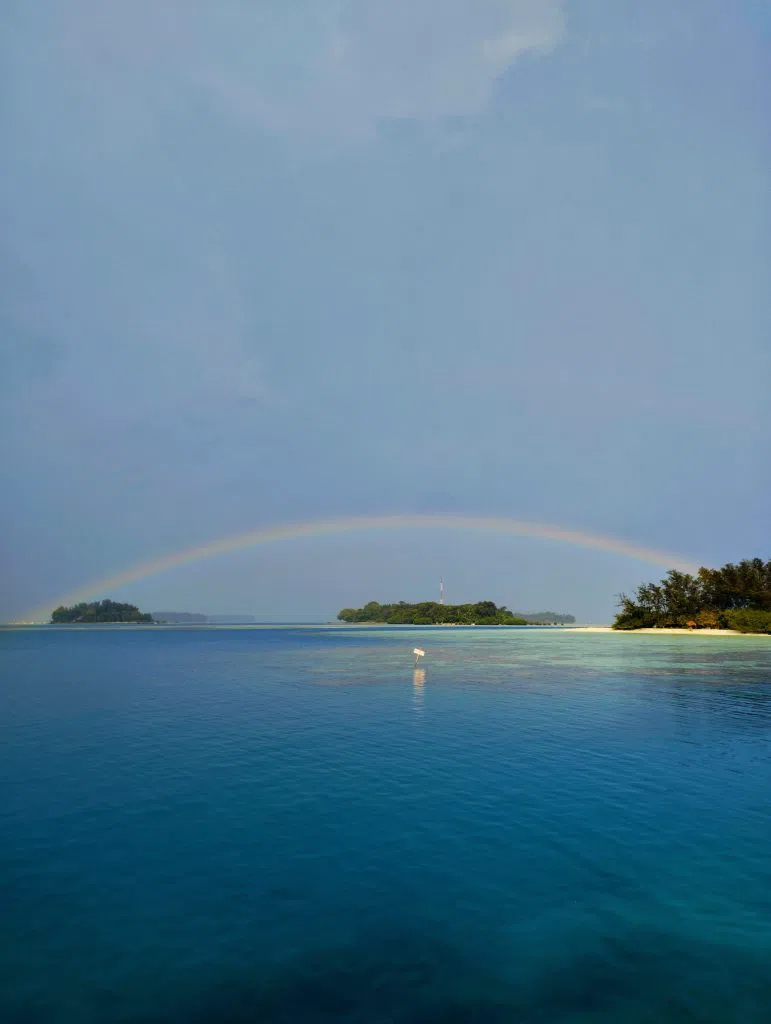

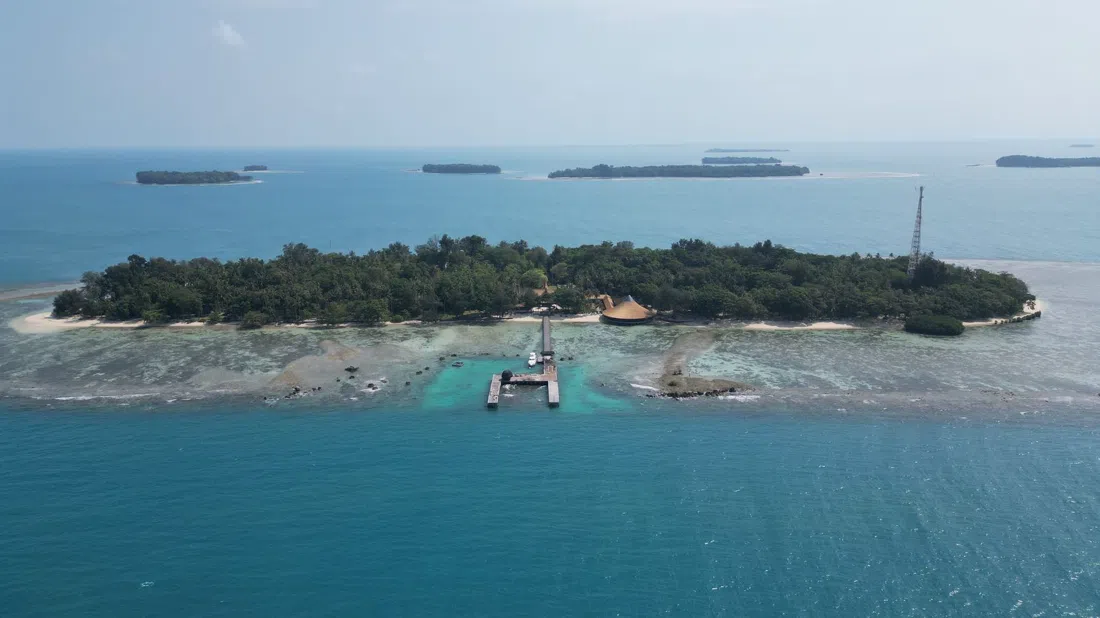
The ferry pulls away from Marina Ancol with the city still visible behind it — the container cranes, the toll road on stilts, a brown smear of haze over Jakarta Bay — and for the first twenty minutes the water stays the colour of weak tea. Then, somewhere past the last channel marker, it changes. The water turns glass-clear and pale turquoise, sandbanks appear where you'd expect open sea, and the outline of a coral island rises out of nothing. This is Kepulauan Seribu, the Thousand Islands, and the strange trick it pulls on visitors is proximity: an actual coral archipelago, actual turtle nurseries, actual overwater bungalows, all within a morning's boat ride of one of the densest cities on earth.
Marina Ancol and the Question of Which Dock
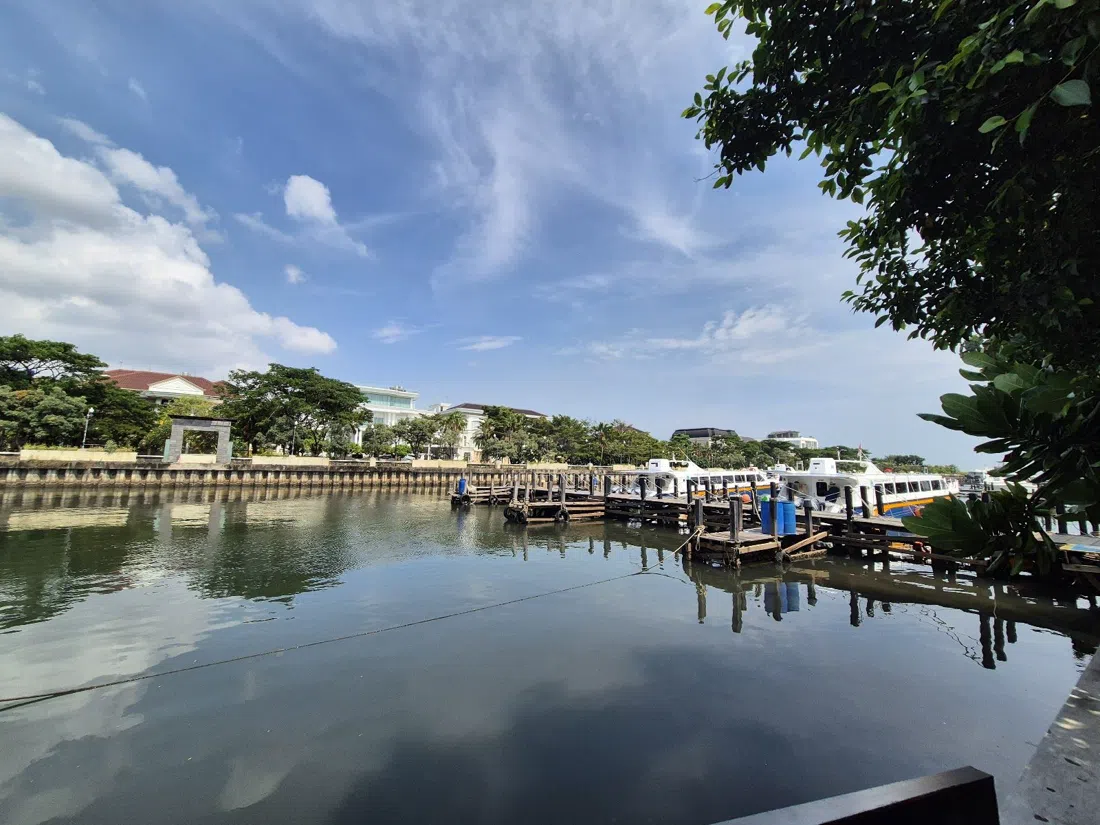
Almost every trip into the archipelago begins at Marina Ancol — Kepulauan Seribu Ferry Gateway (Ancol, North Jakarta), the marina that has functioned as the archipelago's front door for decades. Long before the islands were marketed as a weekend escape, this was where Jakarta's fishing fleets and trading boats put out into the bay, and the dock still carries a working-harbour feel rather than a tourist-terminal one. Tickets for the public speedboats are sold cash-only at the counter, departures cluster in the early morning — most boats leave between 6:30 and 8am to beat the afternoon chop — and the crossing times below are measured from here unless noted. The boats themselves range from open 25-seat speedboats to larger shared ferries depending on operator and island, and none of them wait for latecomers; arrive with slack in the schedule, not against it. One genuinely useful thing to know for 2026: several operators have started running from Sunda Kelapa or from Baywalk Pluit instead of Ancol, chasing shorter queues or a different route. It doesn't change the islands, but it changes your morning — check which dock is printed on your ticket before you leave your hotel, not after.
For anyone basing a longer Jakarta stay around this trip, sort out the mainland side of things first; see the Jakarta guide for where to stay before or after the crossing.
The Twenty-Minute Escape
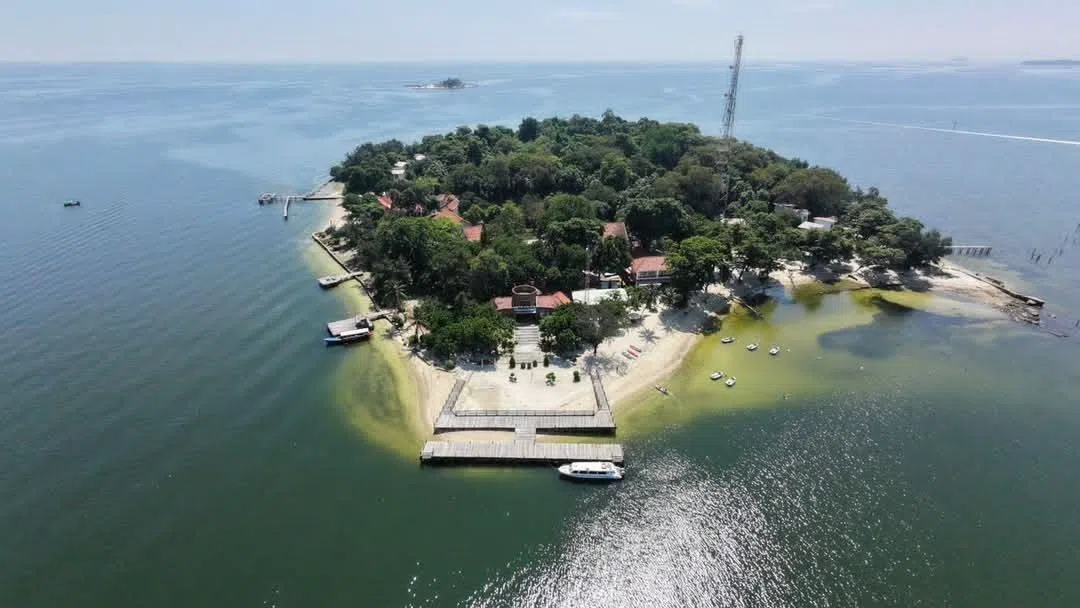
The closest island in the chain, and the one to pick if a full weekend isn't on the cards, is Bidadari Eco Resort on Pulau Bidadari — twenty minutes from dock 17 at Marina Ancol, which makes it less an island trip than an extended afternoon out. What sets Bidadari apart from a generic day-trip sandbar is that it comes with real history: the ruins of a Dutch colonial fort and warehouse still stand on the island, remnants of VOC-era defences built centuries ago to watch over the sea approach to the harbour. Snorkelling gear rents on-site for the shallow reef just offshore, though the real draw for most visitors remains the walk through the fort ruins at low tide, when the old stonework is easiest to reach. The resort itself runs adults-only — a policy worth stating plainly, because it rules the island out for anyone travelling with children, but makes it a straightforward, quiet pick for couples or a small adult group who want the shortest possible crossing. Rates run from around $170 a night per current listings, which sits at the affordable end for an overnight stay this close to the city.
Budget Islands Built for Groups
Three islands in the chain function less like resorts and more like villages that happen to take guests, and they're the ones that suit larger, looser groups without a single gatekeeping villa manager to negotiate with.
Pulau Tidung is the one most travellers already know by name, and for good reason: it's the most bicycle-friendly island in the archipelago, criss-crossed by narrow concrete paths built for two wheels rather than four, and multiple operators run open-trip group departures here daily, aimed squarely at backpacker-sized groups who don't mind sharing a boat and an itinerary with strangers. Day trips start from around Rp650,000 per person. It's the sociable, low-friction entry point for a global audience who want the Thousand Islands experience without arranging every detail themselves.
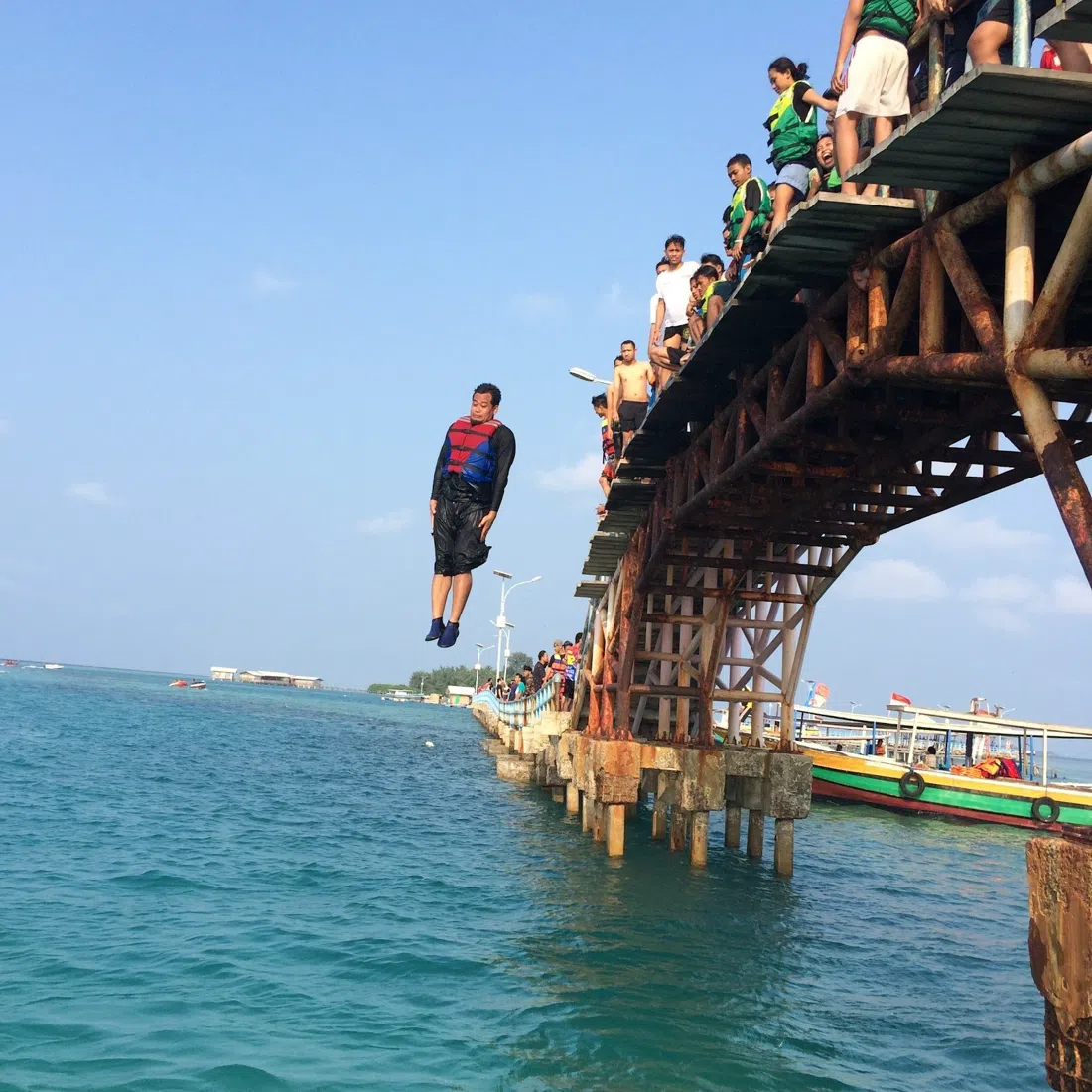
Pulau Pari is the quieter, better-looking alternative for the same budget — around 90 minutes out, with calmer, whiter sand than the more built-up islands and a mix of families, couples and backpackers on the same beach without anyone feeling out of place. At roughly the same budget tier as Tidung, it's the pick for a spontaneous, low-stakes beach day rather than an organised itinerary.
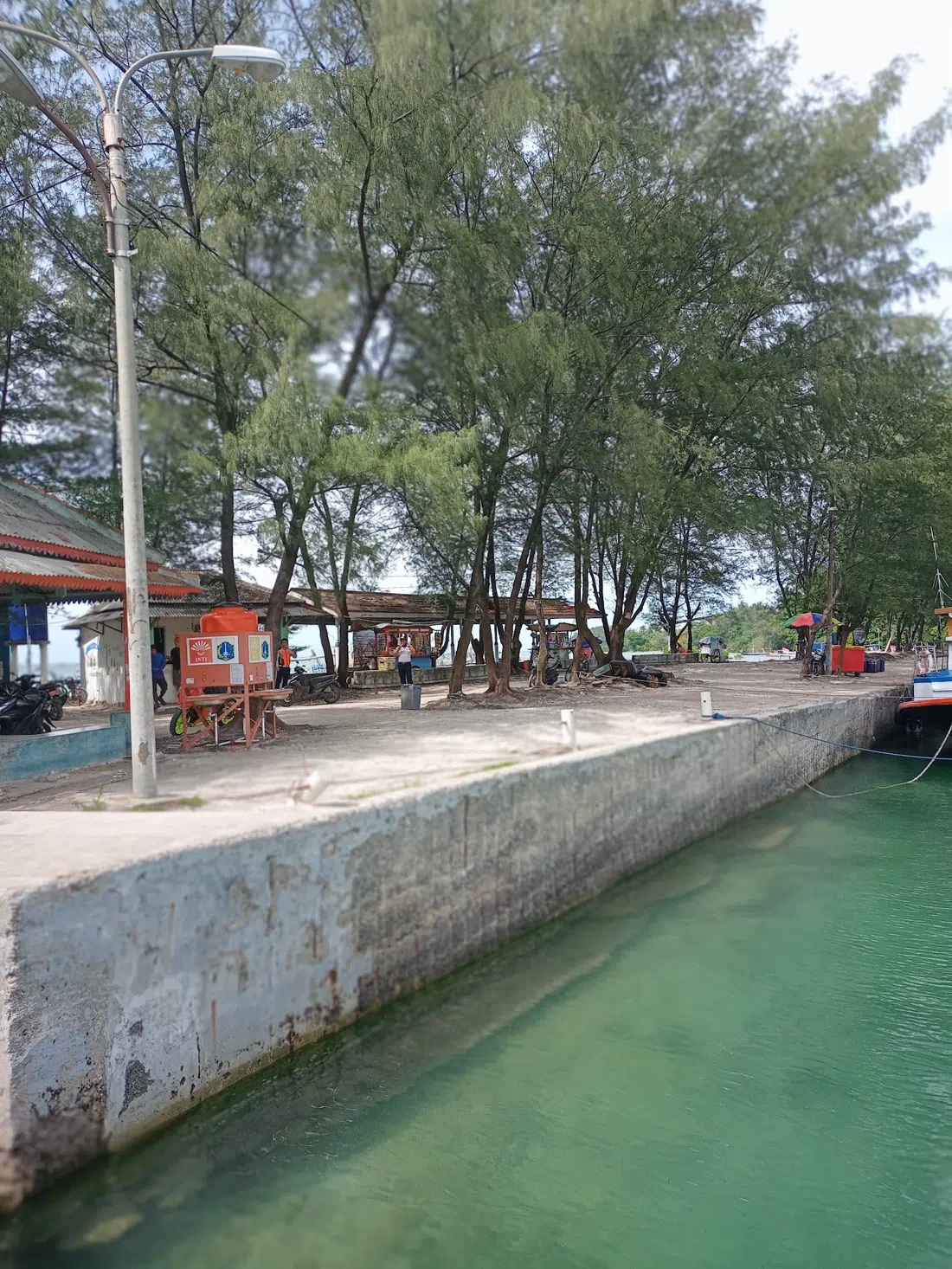
Pulau Untung Jawa is the counterpoint to both — a working fishing village rather than a tourism product, with homestays running $40 to $80 a day. It isn't set up for large tour groups, but for independent travellers or a small party willing to stay in someone's spare room rather than a resort bungalow, it's the most unvarnished, "real" version of inhabited-island life the archipelago offers, and the cheapest overnight option going.
The Conservation Hub: Pramuka, Semak Daun and Harapan
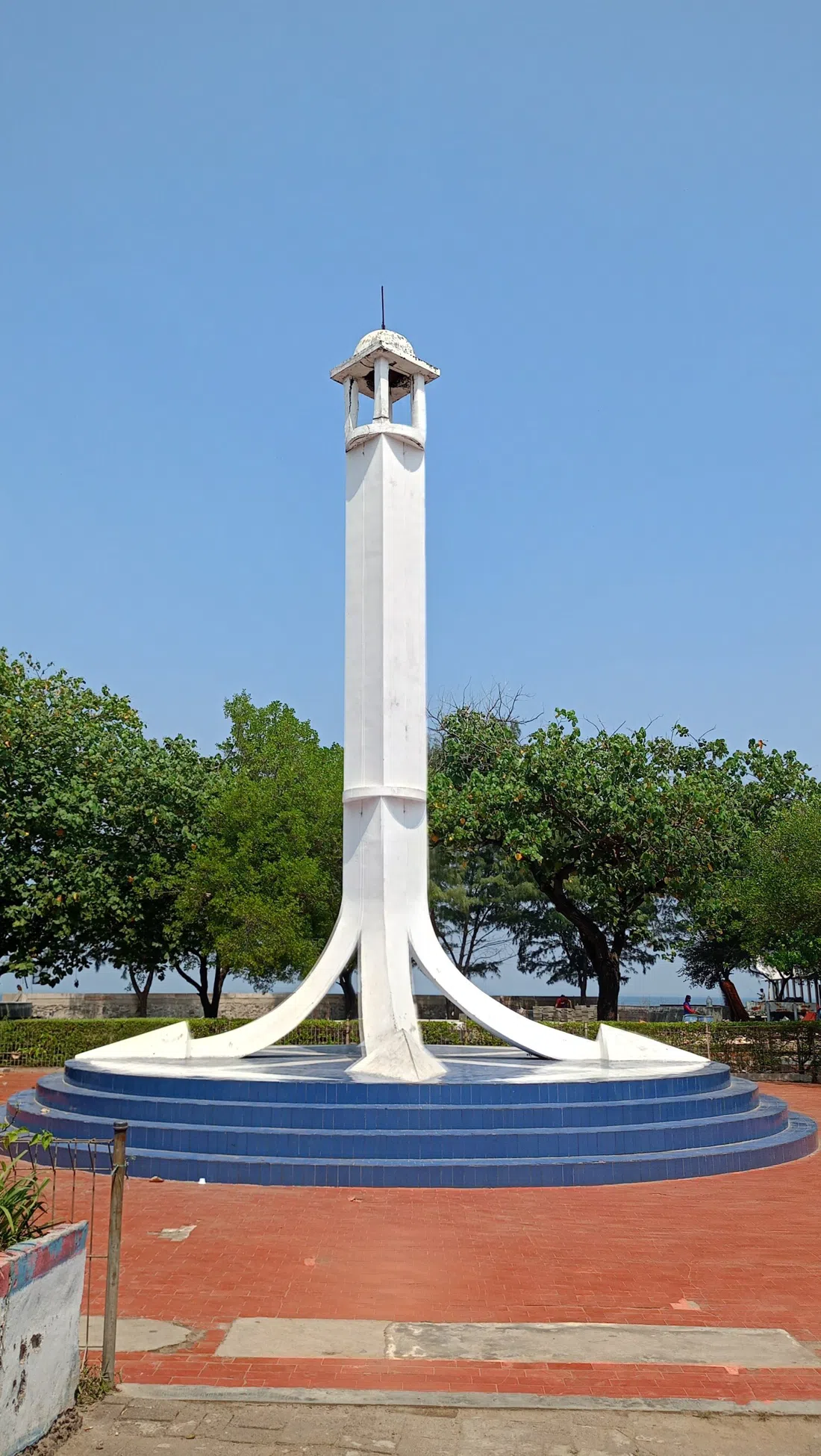
Pulau Pramuka is the practical heart of the whole archipelago rather than a beach in its own right — it holds the region's main jetty infrastructure, homestays, a health centre, and enough logistics capacity that it functions as the base camp for island-hopping groups working their way through the chain. Budget homestay packages make it the cheapest place to sleep in the archipelago, and its main draw for a travel piece isn't the sand but the working conservation programme: hatchery-raised sea turtles and mangrove nurseries you can actually walk out and see, not a signboard promising conservation somewhere off-site.
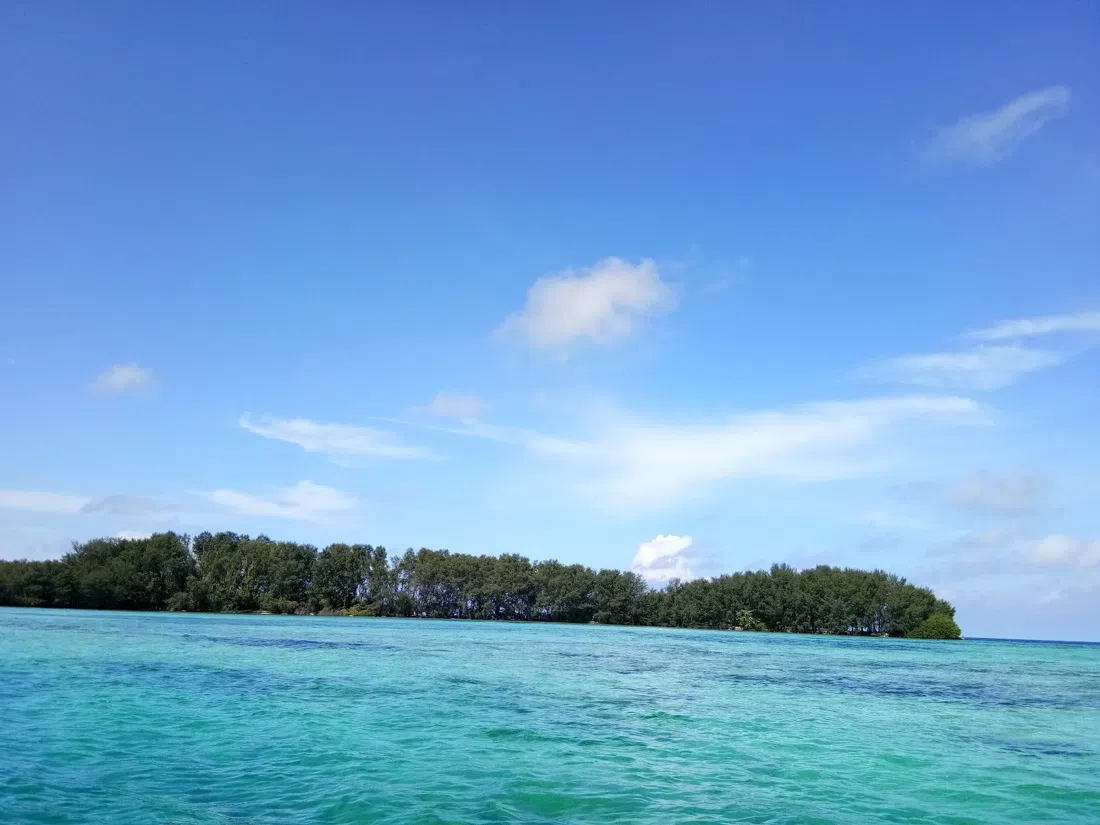
From Pramuka, boat-ojeks run the twenty minutes out to Pulau Semak Daun, a genuinely tiny uninhabited islet that exists almost entirely for small group camping and snorkel trips. There's no resort here and no room for one — camping runs from about Rp35,000 a night plus tent hire, pitched on real coral sand with nothing between the tent and the tide line. It's not a fit for a big tour group, but for two or three people wanting one night that feels like a castaway story rather than a resort stay, it's the sharpest contrast in the whole archipelago to the air-conditioned islands further out.
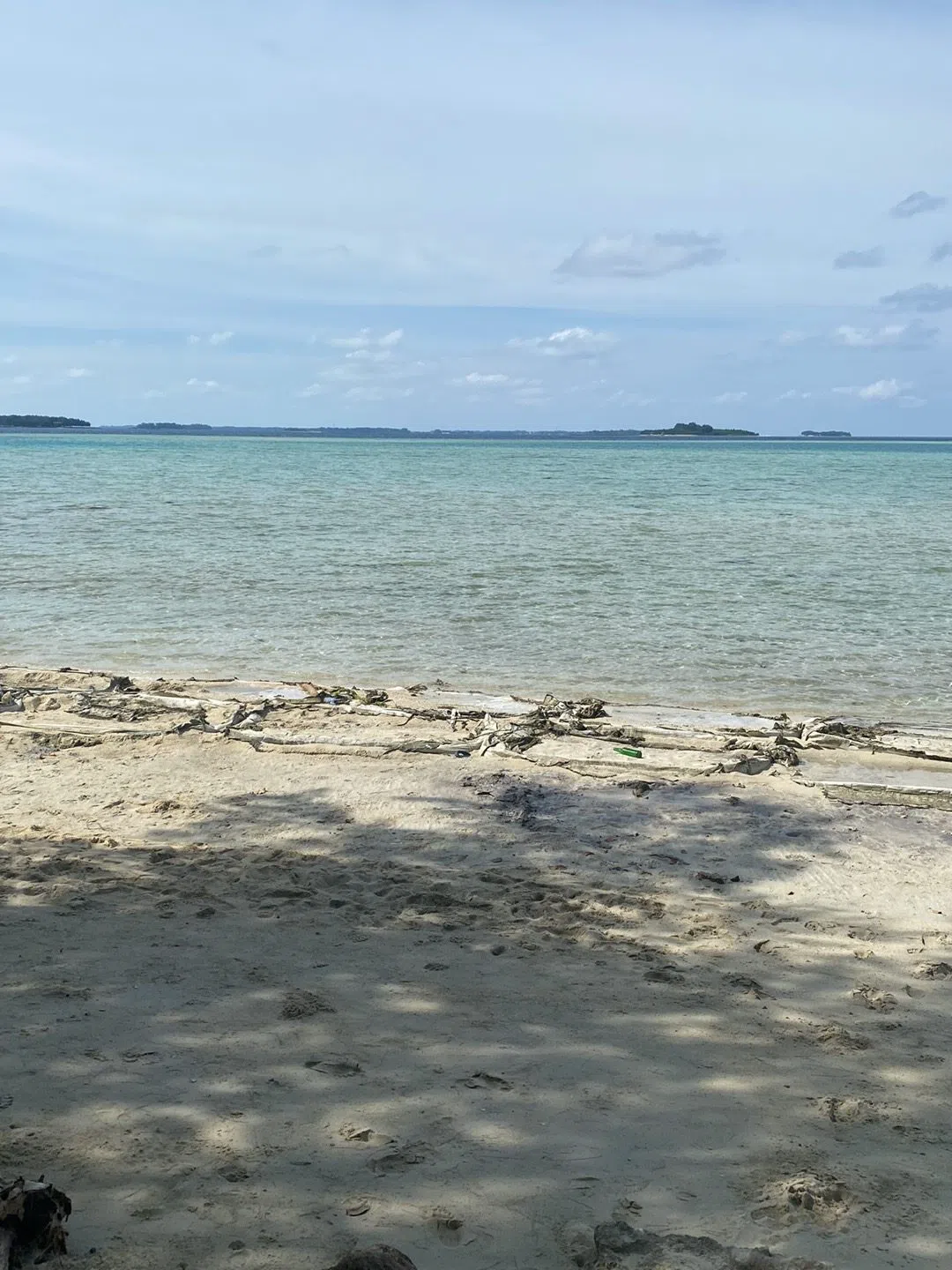
Pulau Harapan takes the same base-camp logic and turns it into a snorkelling itinerary: rather than one house reef, open-trip packages here island-hop between several uninhabited reef islets in a single day, which makes it the strongest pick in the chain for anyone who wants variety underwater rather than one static spot. It's run as a group product almost exclusively — packages are built for parties of seven to ten or more — and two-day-one-night trips start from around Rp380,000 to Rp820,000 per person depending on the operator and boat.
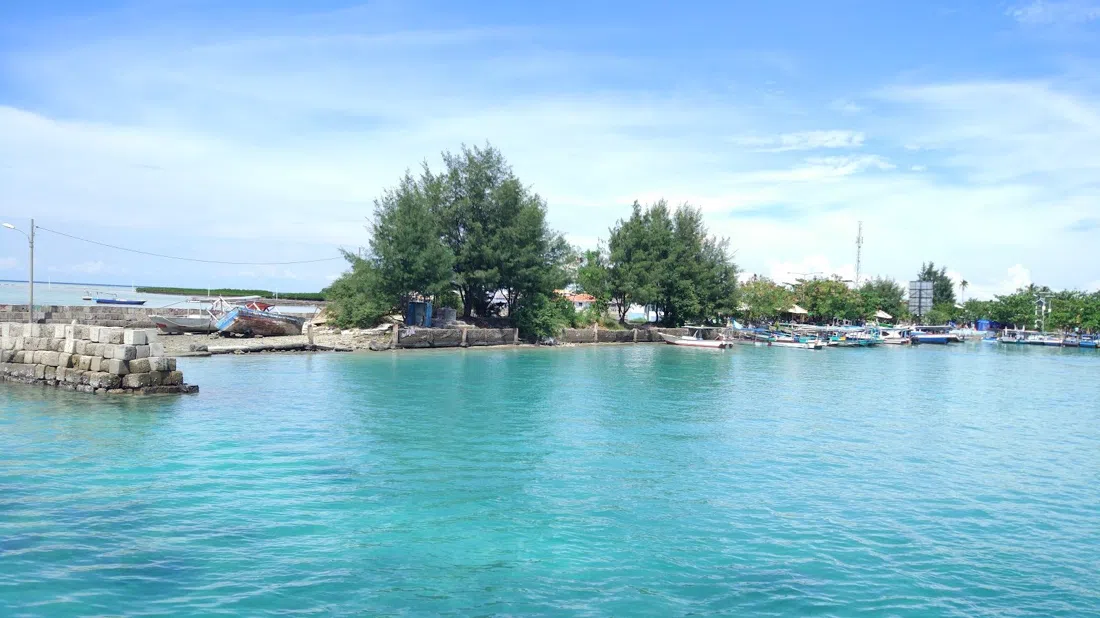
The Overwater Postcard
If the trip is built around one photograph, it's Pulau Macan Eco Lodge — the only place in the Thousand Islands with the overwater-bungalow silhouette the rest of the archipelago gets compared to. It's the furthest and most deliberately exclusive stop in this guide: a 2.5 to 3 hour speedboat from Marina Ancol, and a package rate (speedboat plus meals) that runs well above the other islands' prices. It's built for couples and small groups of friends rather than tour parties, and it books out on weekends, so two to three weeks' notice isn't optional if a Saturday matters — both GetYourGuide-style aggregators and the lodge's own site carry current 2026 availability. It's the one island here that asks to be planned rather than dropped into a wider itinerary.
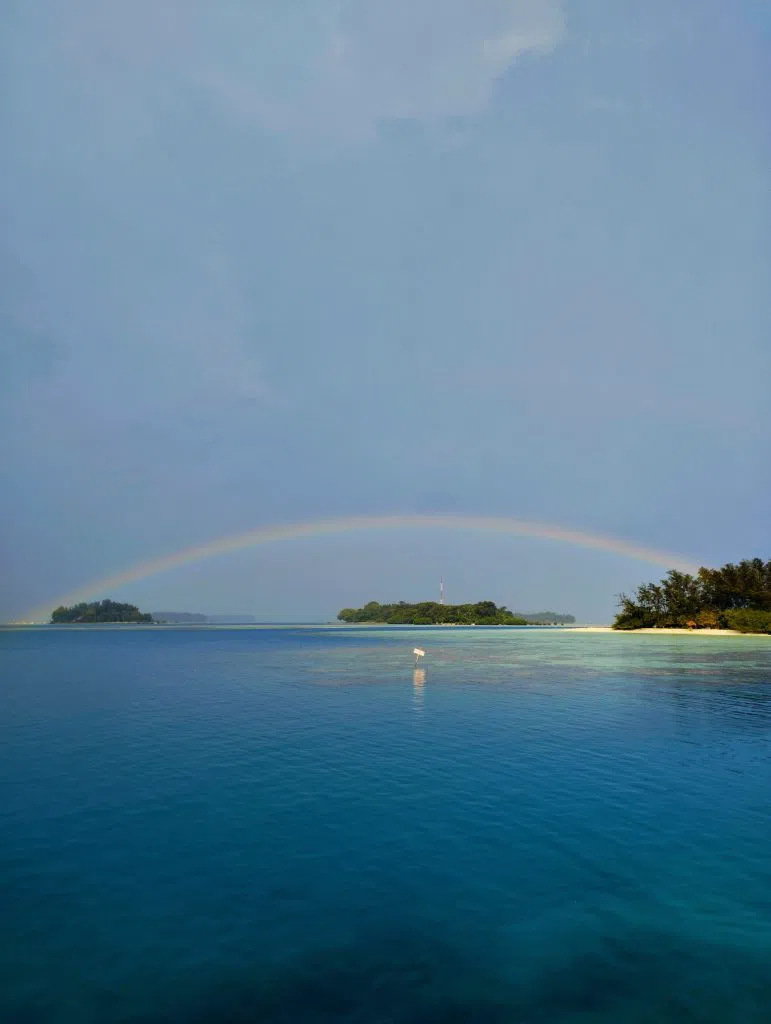
The Bigger Resorts
Three islands in the chain are built at genuine resort scale, and they're the right answer when the group is bigger than a handful of friends, or when a meeting or company trip needs actual function space rather than a bungalow.
Sepa Island Resort is the smallest of the three at 32 rooms, but it has a meeting room and takes group and event bookings comfortably at that scale — roughly 90 minutes from Baywalk Pluit or Ancol, mid-range on price per current listings. What earns it a place here beyond the room count is a real hawksbill turtle release programme, run on-site rather than outsourced to a signboard, which gives a group day here an actual conservation hook. One honest note: some of the room stock is older, so if it matters, ask specifically for a renovated unit when booking.

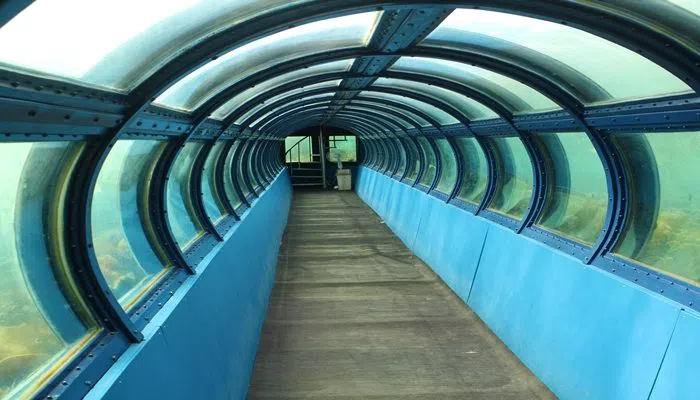
Putri Island Resort, on Pulau Putri, is built at a different scale entirely — a large cottage count, a tennis court, and function space that make it the natural choice for bigger day-tour parties rather than a couple's weekend. It's also the furthest of the resort islands, so budget the longest crossing of any option here, and it has the single strangest visual in this whole guide: a walk-through underwater tunnel, genuinely uncommon anywhere in the region. A day package runs around Rp1,250,000 per person, or roughly Rp2,650,000 for two days and one night at 2026 rates.
Pantara Island Resort goes further still, and feels the most maritime of the three — built with families, honeymooners and business or meeting groups all explicitly catered for in its own facilities list. The extra hour of transfer over Sepa or Putri buys genuinely bigger offshore coral formations, which makes it worth the additional time for anyone who rates the diving or snorkelling over convenience. Pricing sits mid-to-upper for the region, reflecting both the facilities and the longer, pricier transfer.
Planning the Weekend
Cash. Bring more of it than feels necessary — ferry counters at Marina Ancol are cash-only, and small islands without ATMs are the rule rather than the exception once you're past Bidadari or Pramuka. Card payments exist at the larger resorts (Putri, Pantara, Sepa) but shouldn't be assumed as a backup plan on a homestay island.
Timing. Boats leave early — most public speedboats are gone from the dock by 8am, chasing calmer morning water, and the return trip on a Sunday afternoon is the single most crowded departure of the week if you're travelling on a weekend. If a specific island matters more than a specific day, aim for a Friday-to-Sunday trip rather than Saturday-to-Sunday to dodge the worst of the queue.
Pack light and reef-conscious. Reef-safe sunscreen matters more here than the label suggests — several of the house reefs around Pramuka and Harapan are recovering coral, and the standard oxybenzone sunscreens sold in mainland pharmacies aren't the ones to bring. A dry bag for phones and cash is worth the small cost at Ancol's marina shops; open speedboats spray on the crossing more often than brochures suggest.
Budget spread. The chain runs from around Rp650,000 for a Tidung day trip to well above $200 a night for Pulau Macan's package rate — decide the kind of trip first (budget group day, conservation-minded base camp, couple's overwater escape, or bigger resort weekend) and let that decide the island, rather than picking an island and hoping the price fits.
Booking windows. Budget and mid-range islands (Tidung, Pari, Harapan, Pramuka, Untung Jawa) can mostly be booked within the week, even the same week in shoulder season. Macan is the exception — two to three weeks ahead for a weekend slot — and the bigger resorts are worth booking at least a week out if a group needs several rooms held together.
If the archipelago is one leg of a longer Jakarta stay, sort the mainland nights around it rather than after it — see Jakarta hotel search for where to base yourself before the early ferry.