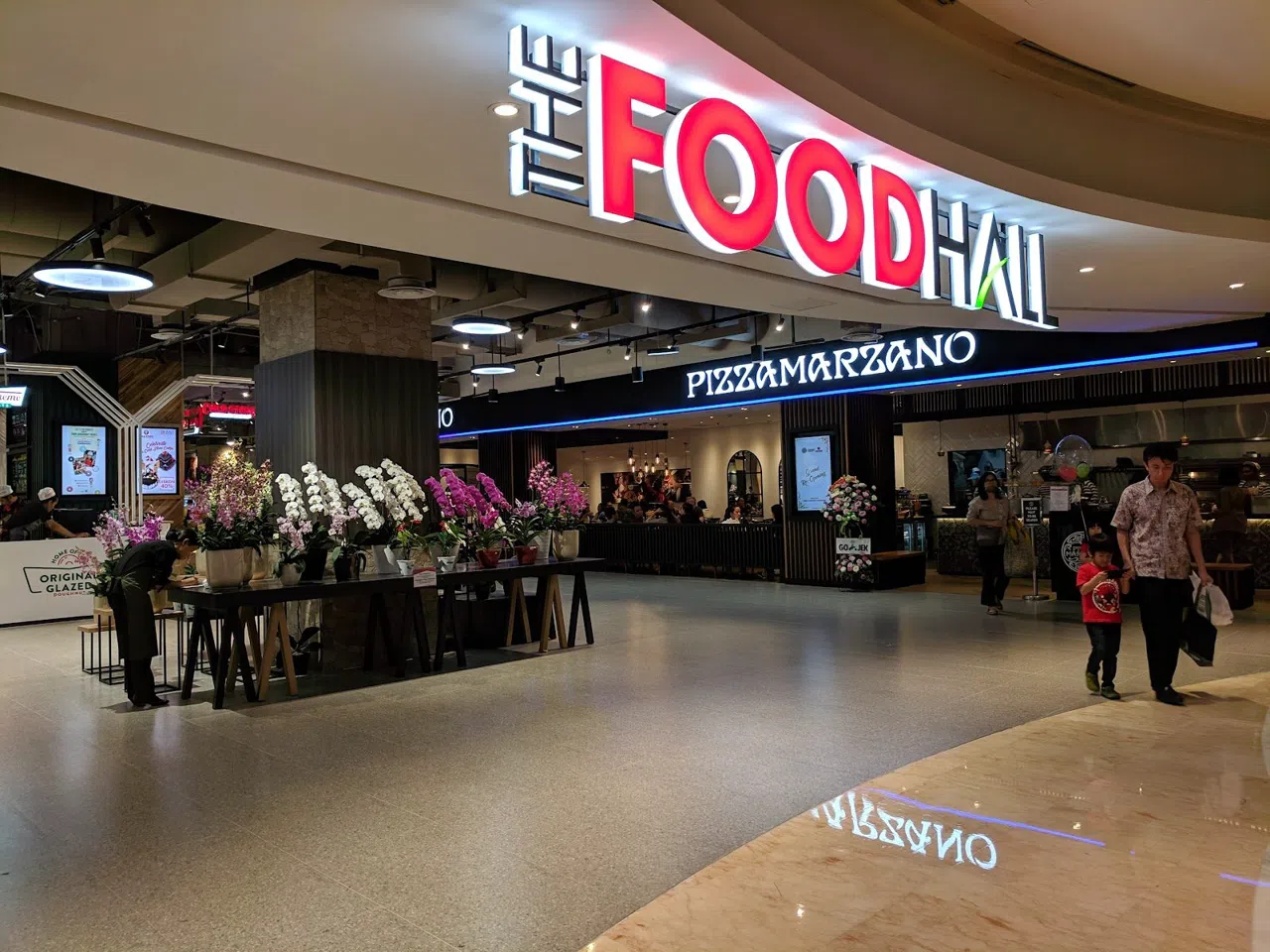

Grand Indonesia's escalators dump you straight into a wall of glass display cases and open kitchens before you've even taken your jacket off, and that first jolt — grocery aisle on one side, hot woks on the other — is the whole pitch of Jakarta's mall food halls in one glance. This isn't street food dressed up for a mall audience; it's a genuinely local habit, born in a department store basement in 1990 and now spread across ten malls' worth of counters, communal tables, and prepaid-card rituals. Budget two full days, comfortable shoes, and an appetite that can survive four or five stops without flagging by mid-afternoon — this circuit rewards pacing, not speed.
Day One: The Central Jakarta Anchor
Start where the format itself started. TheFoodhall Gourmet (Plaza Indonesia) is the genuine birthplace of Jakarta's grocerant style — a supermarket floor with communal eat-in counters woven through it, recently renovated, and the anchor the rest of this circuit is really built around. Go early, before the lunch rush pours in from the surrounding office towers, and treat it as a proper sit-down meal rather than a quick graze: Rp150,000–400,000 a head buys a slow hour working through counters most first-time visitors only skim. It suits a couple as comfortably as a group of four, and the sit-down tables mean you're not fighting for a perch the way you will later in the crawl.
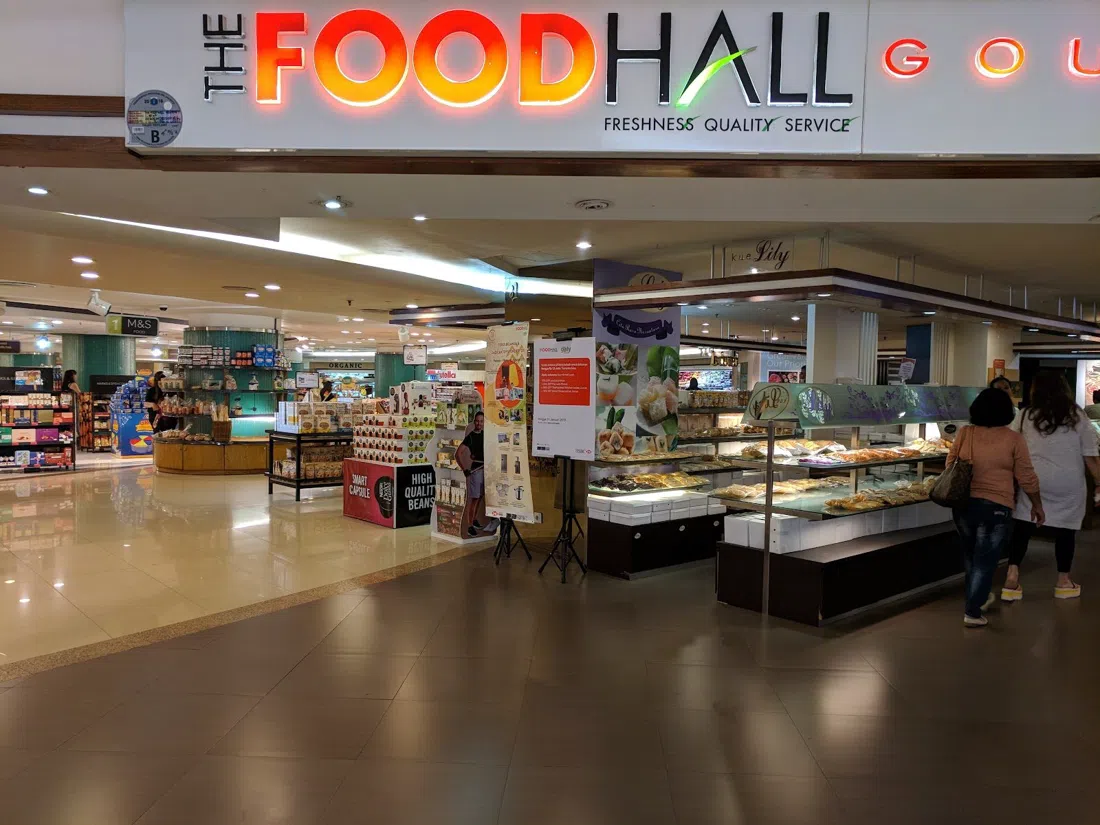
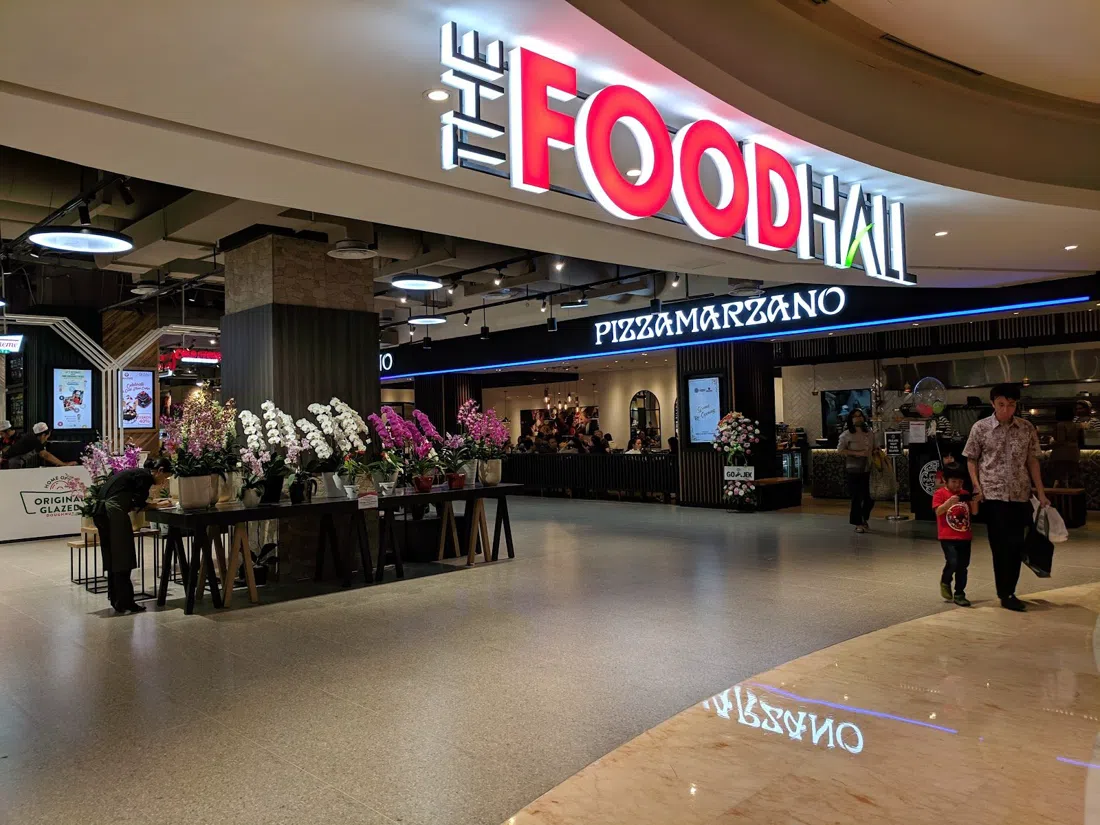
Plaza Indonesia and Grand Indonesia are connected, so cross over and you land at TheFoodhall (Grand Indonesia), the format's other flagship and, on the group-dining front, the more forgiving of the two: open seating, no reservation needed, and it takes a table of six to eight grazing between counters without anyone needing to plan ahead. It's the same Rp150,000–400,000 range and the same SOGO-supermarket DNA — this branch has been running since the format was invented in 1990 and is still the yardstick everyone else in the city gets measured against.
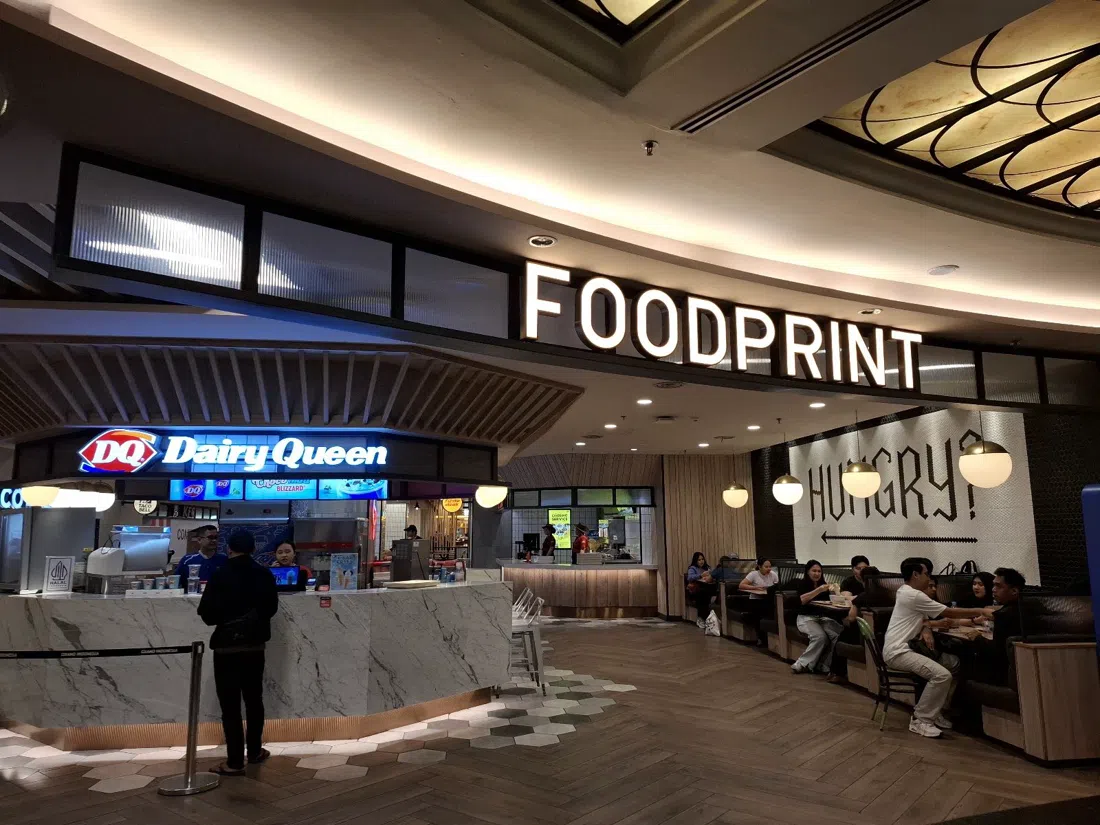
For something with a lower barrier to entry, stay on the same floor and find FOODPRINT (Grand Indonesia), the mall's separate curated food court, relocated a few years back from the old skybridge site. This is the casual counterpoint to the grocerant format next door — big shared tables, a Rp50,000–150,000 spread, and the kind of place you send a group of ten when half of them want noodles and half want fried chicken and nobody wants to negotiate. The tenant list is constantly refreshed, so don't expect the exact same stalls you remember from a previous trip; that churn is the point of it, not a flaw.
A Five-Minute Detour: The All-Local Counterpoint
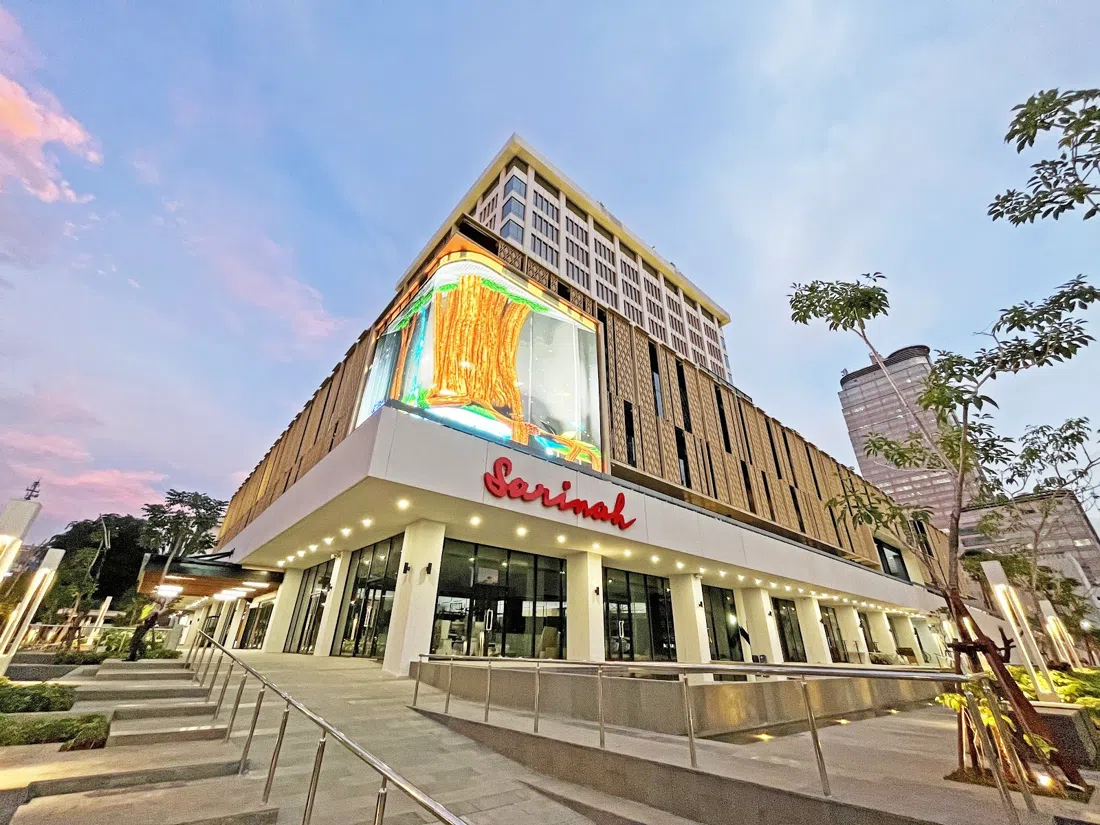
Before leaving the Grand Indonesia end of town, walk five minutes to Sarinah, a heritage food hall built entirely around Indonesian UMKM vendors — the only 100%-homegrown stop on the whole circuit, sitting deliberately between two internationally-stocked halls on either side of it. It's casual open seating, easy for a group, and at Rp30,000–100,000 a head it's the cheapest meal you'll eat on this crawl by a wide margin. Treat it as the deliberate contrast built into the itinerary, not a lesser version of the grocerant format bookending it — a different tradition entirely, worth its own slow lap of the counters rather than a rushed ten minutes on the way past.
Late Afternoon: The SCBD Window
If your circuit falls on a weekday, use the gap between lunch and dinner to detour south to PAC10 Food Pavilion (Pacific Century Place, Pacific Place, SCBD) — small and polished rather than sprawling, and rated 4.8/5 by diners who eat there regularly. The catch is timing: it primarily serves the SCBD office lunch crowd, so it runs well Monday to Friday and thins out fast on weekends. Confirm it's actually operating before building a Saturday detour around it. Rp80,000–200,000 a head, and the compact footprint makes it a better fit for two or three people than a big group meal.
Day Two: The South Jakarta Swing
Day two is where the circuit spreads out geographically, and it rewards starting early: this is five stops across a wider stretch of the city, and each one is a genuine destination in its own right rather than a five-minute add-on to another stop.
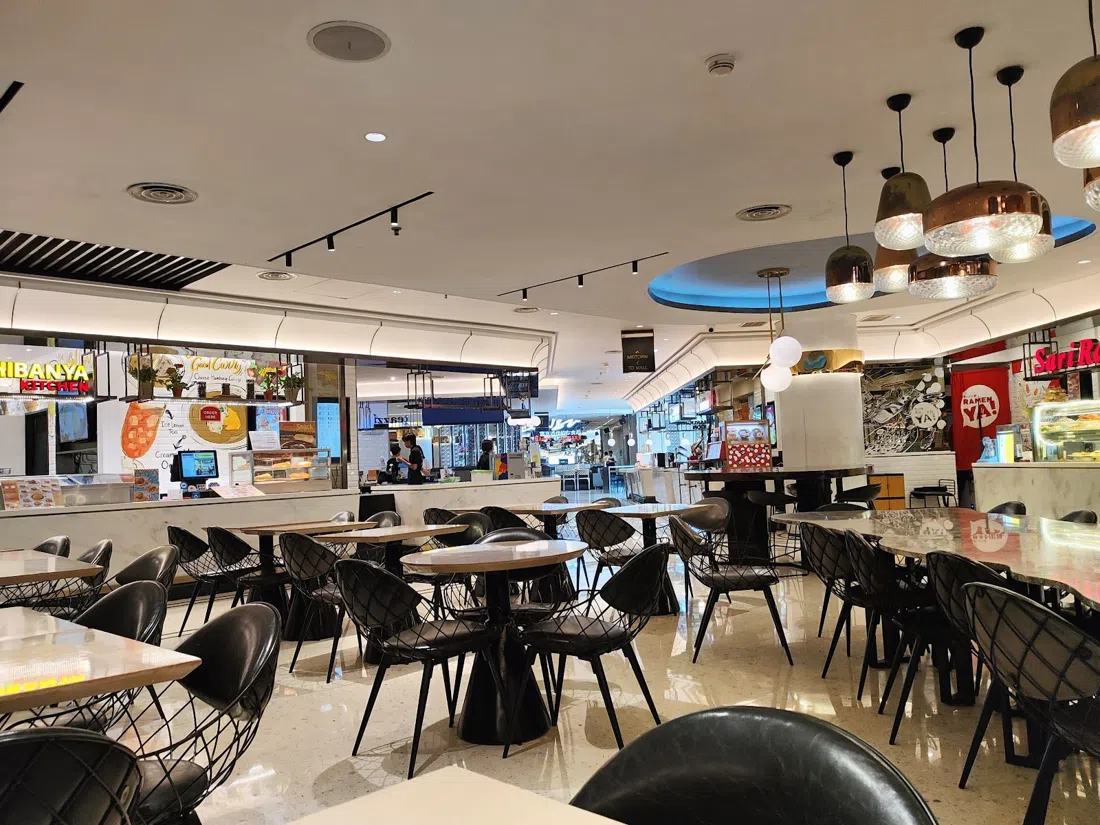
Begin at Delicae (Senayan City), arguably the most photogenic upscale food court on the whole circuit and, unlike most of the other stops, built purely as a dining destination rather than bolted onto a supermarket. Large shared seating makes it easy for groups, and at Rp100,000–250,000 a head it sits comfortably mid-circuit on price. Go for the room as much as the food — it's the one stop worth building extra time into the schedule just to sit and take it in rather than eat and move on.
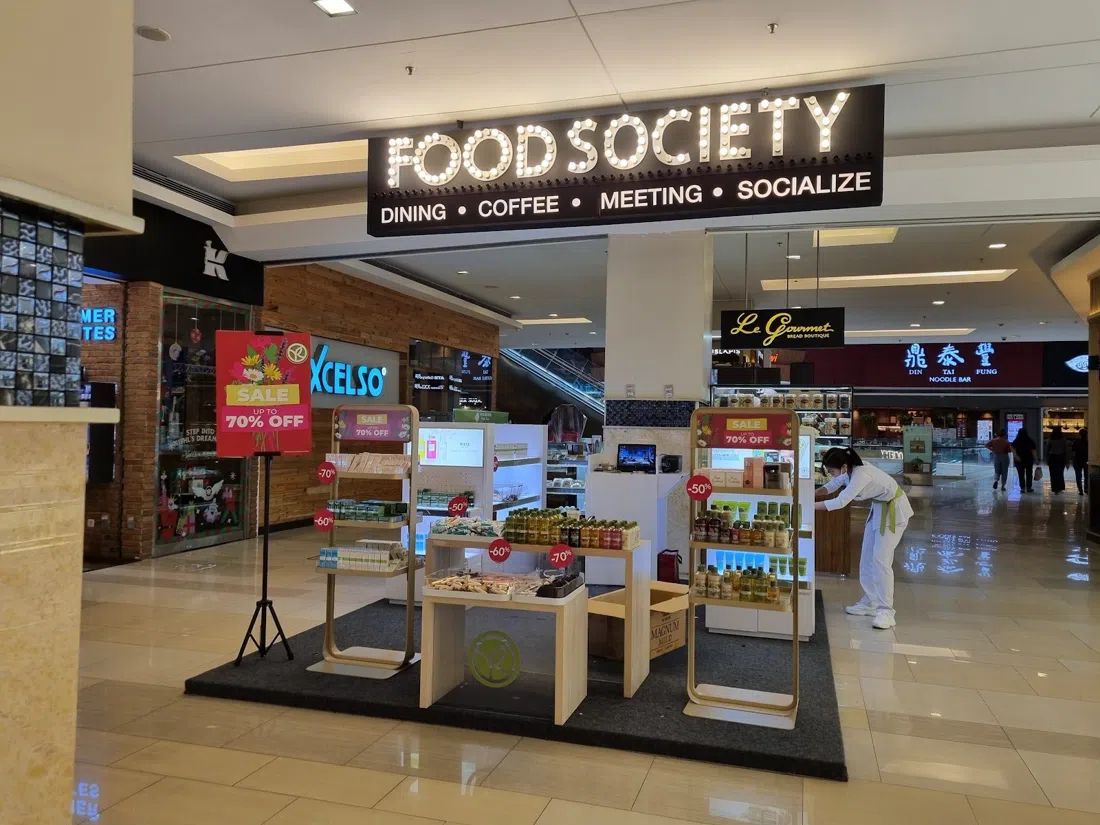
From there, head to Food Society (Kota Kasablanka), the single biggest hall on this whole crawl by tenant count. This is the stop to bring the largest group you can muster — the scale means four or five people can genuinely order across a dozen different counters between them and still not repeat a cuisine. Rp80,000–200,000 a head, and go hungry: a hall this size only really makes sense if you're grazing wide rather than settling on one big plate.
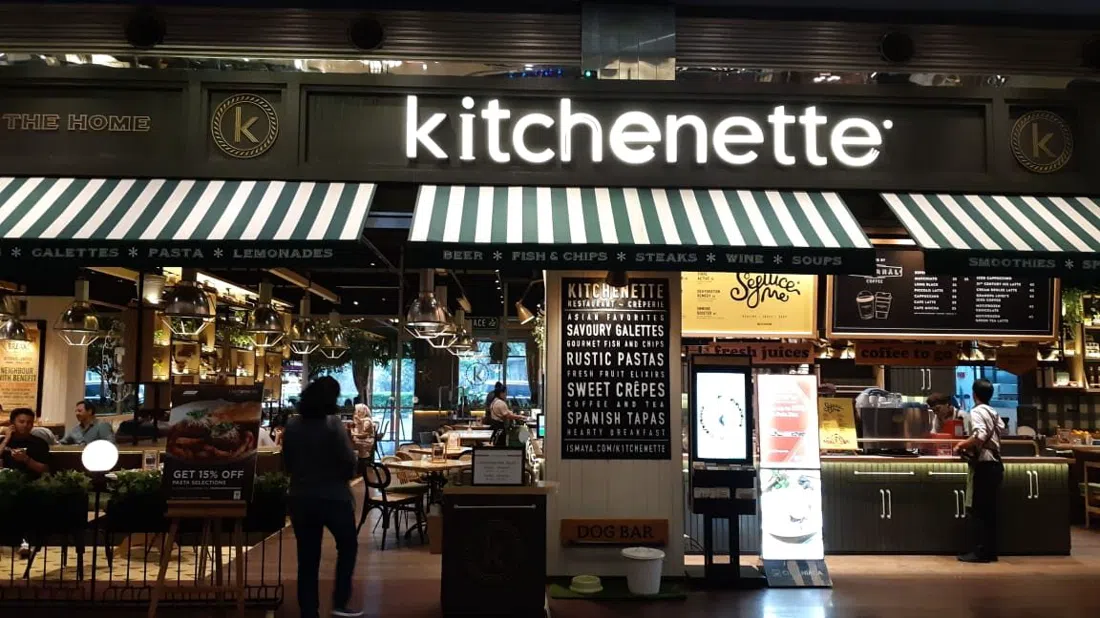
Next, Eat & Eat (Gandaria City), Jakarta's original mega food-court chain, dating back to 2008 in Kelapa Gading. There's one piece of friction worth knowing before walking in: it runs on a prepaid card system, so top up at the entrance counter before ordering and remember to cash out any unused balance before leaving — it's a small ritual, not a flaw, but it catches first-timers who assume they can pay stall by stall the way they can elsewhere on this circuit. Good for groups once everyone's briefed on the card, Rp50,000–150,000 a head.
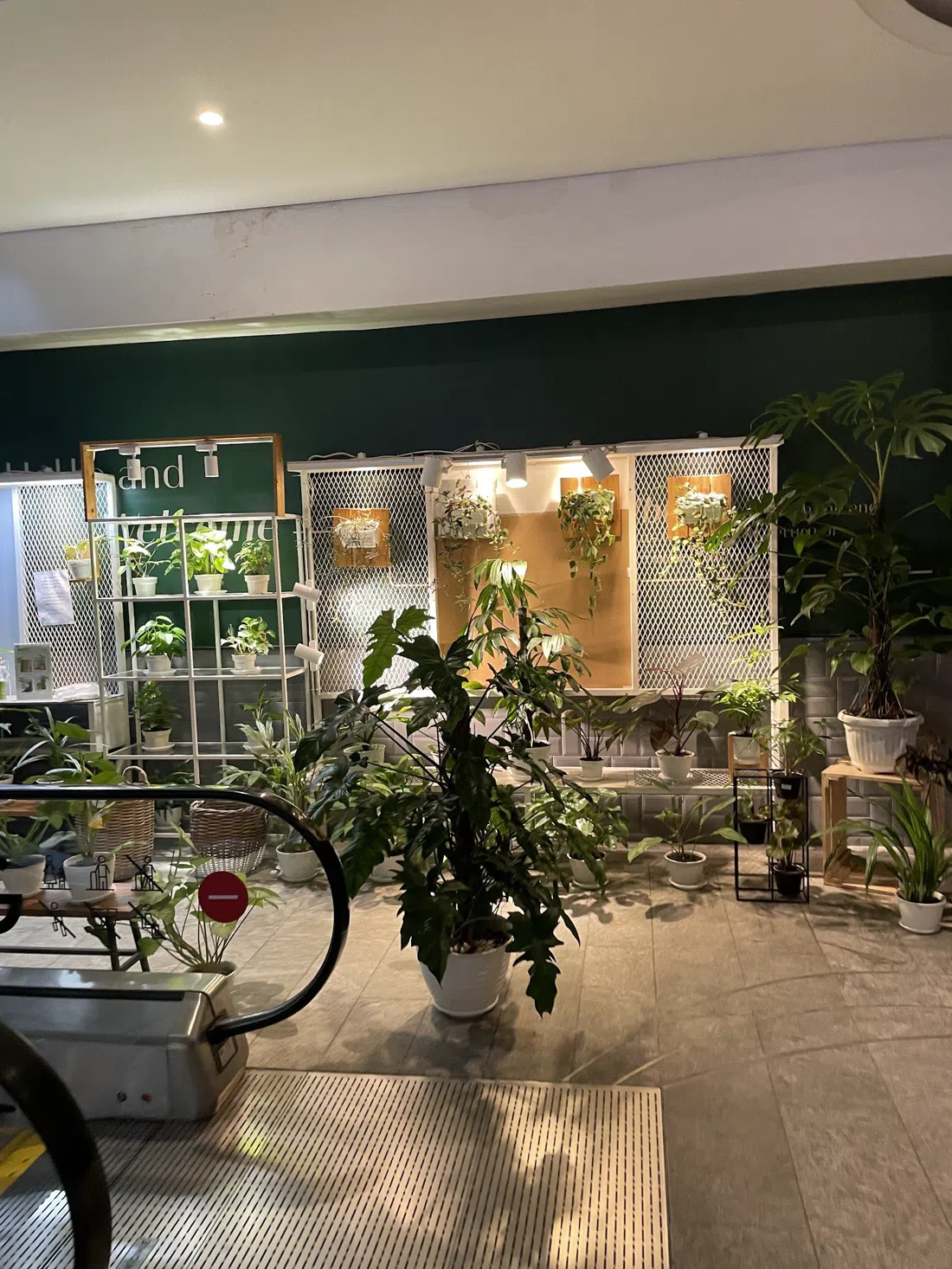
For a change of register, stop at The Gourmet by Ranch Market (ASHTA District 8) — the most design-forward stop on the circuit, and notably under different ownership from the Sogo/MAP Foodhall chain that runs most of the other stops. It's a genuine gourmet-market-meets-food-hall hybrid with communal high-tables, better suited to a smaller group or a couple than a large party, and it works well as an aperitivo-style stop rather than a full sit-down meal. Rp150,000–350,000 a head.
Closing the Loop: Pondok Indah Mall
Finish where the format quietly proves it isn't only a central-Jakarta phenomenon: TheFoodhall (Pondok Indah Mall), the same trusted grocerant format in a more residential stretch of the city, and noticeably quieter than its central branches. It closes the loop on the second day neatly if the itinerary is already swinging south, and it's just as easy for groups as the Grand Indonesia original — Rp150,000–400,000 a head, with none of the queueing you'll likely have hit at the central branches on day one.
None of these ten halls should be read as a single verdict after one visit. Tenant lists rotate, renovations happen — TheFoodhall Gourmet's recent refresh at Plaza Indonesia is proof of that — and a quiet Tuesday lunch tells you something different from a packed Friday dinner service. Go back before trusting a first impression, especially at the food courts where the tenant mix is, by design, constantly refreshed.
Practical Notes: Transport, Cash, Timing, Budget
Getting between stops. The Grand Indonesia–Plaza Indonesia pairing is walkable via the connecting skybridge, so treat those two as one long stop rather than two separate outings. Everything else on this circuit — Senayan City, Kota Kasablanka, Gandaria City, ASHTA, Pondok Indah Mall, and the PAC10 detour in SCBD — is a car or ride-hail hop apart; Jakarta traffic makes walking between malls impractical outside the central cluster, so budget 20–45 minutes transit time between stops depending on the hour.
Cash and cards. Most halls run on standard card or QR payment at each counter, with one clear exception: Eat & Eat uses a prepaid top-up card, so plan for that before arriving. Carry some smaller cash regardless — the UMKM stalls at Sarinah in particular are more likely to prefer it, and it smooths over the odd counter that hasn't caught up with card readers.
Timing. Hit the grocerant-format halls — the three TheFoodhall branches — either before noon or after 2:30pm to skip the lunch crush from surrounding offices; PAC10 is a weekday-only bet given its SCBD office crowd, so don't anchor a weekend day around it. The food courts — FOODPRINT, Delicae, Food Society, Eat & Eat — run a longer comfortable window and handle groups better at almost any hour, making them the safer choice for a late or flexible booking.
Budget. Across all ten stops, per-head spend runs from Rp30,000 at the low end (Sarinah) to Rp400,000 at the top (any of the three TheFoodhall branches, or the Ranch Market stop at ASHTA). A realistic two-day crawl hitting six or seven of these stops, grazing rather than sitting down to a full meal at each, lands most groups somewhere around Rp600,000–1,000,000 per person for the whole circuit.
Where to base yourself. Staying anywhere near the Grand Indonesia–Plaza Indonesia cluster puts the whole first day within walking distance and keeps day two's south-Jakarta swing to a straightforward ride-hail hop; start your search with a Jakarta hotel search, and for the rest of the city beyond this crawl, the full Jakarta guide covers what else is worth building around it.